Mon To Sat 10:00 AM to 7:00 PM

When we go to the office every day, we carry on a time-honored tradition of getting to know our clients.
Tooth loss is a common dental problem that affects individuals of all ages. While there are several restorative options available such as bridges and dentures dental implants have emerged as the gold standard for replacing missing teeth.
A single tooth implant is a sophisticated and effective procedure that replaces one missing tooth, offering both aesthetic and functional benefits. With advancements in dental technology, the procedure has become highly successful and widely accepted among patients and dental professionals alike.
A single tooth implant is a type of dental implant designed to replace just one missing tooth. It consists of three main components: the implant post, the abutment, and the crown. The implant post is typically made of titanium and is surgically placed into the jawbone where the missing tooth’s root once was. Over time, the implant integrates with the bone through a process called osseointegration, providing a stable and long-lasting foundation. Once healed, a connector piece called an abutment is attached to the implant, and finally, a custom-made crown is placed on top to complete the restoration.
Tooth loss can result from a variety of factors, including trauma, decay, gum disease, or congenital absence. A missing tooth not only affects the aesthetics of a smile but also compromises oral health. Adjacent teeth may shift into the gap, leading to misalignment and bite issues. Moreover, the jawbone in the area of the missing tooth may begin to deteriorate due to lack of stimulation, a process known as bone resorption.
A single tooth implant addresses these concerns by mimicking the natural tooth root and stimulating the jawbone, which helps prevent bone loss. Unlike dental bridges, implants do not require alteration of adjacent healthy teeth. This makes them a more conservative and durable option.
While dental implants have a high success rate (above 95% in most cases), they are not without risks. Possible complications include infection at the implant site, nerve damage, sinus issues (for upper jaw implants), and implant failure due to poor osseointegration. Smoking, uncontrolled diabetes, and poor oral hygiene can increase the risk of failure.
Furthermore, not every patient is an ideal candidate for a dental implant. Adequate bone density and healthy gums are essential for successful implantation. In cases where bone loss has occurred, additional procedures such as bone grafting or sinus lifts may be needed.
Proper oral hygiene is crucial for the longevity of a dental implant. Patients should brush and floss regularly, attend routine dental check-ups, and avoid habits that could damage the implant, such as chewing on hard objects. While implants cannot decay, the surrounding gums and bone can still be affected by periodontal disease, which can compromise the implant’s stability.
Beyond the physical and functional improvements, a single tooth implant can significantly enhance a patient’s self-esteem and confidence. The loss of a visible tooth, especially in the front of the mouth, can lead to embarrassment and social anxiety. Restoring the smile with a natural-looking implant can greatly improve one’s quality of life and emotional well-being.
Although dental implants may have a higher upfront cost compared to bridges or dentures, their durability and low maintenance often make them more economical over time. Traditional solutions may require frequent replacements or repairs, whereas implants are designed to last for decades with proper care. Additionally, preventing further oral health complications through implant placement can save future dental expenses.
The field of implant dentistry continues to evolve with technological advancements. New materials, such as zirconia implants, offer alternatives to titanium and are especially beneficial for patients with metal allergies. Innovations in digital imaging and guided surgery have also improved the accuracy and success rates of implant procedures. As research progresses, the procedure is expected to become even more accessible and efficient.
A single tooth implant is a transformative dental solution that combines aesthetics, function, and durability. By replacing a missing tooth with a stable and natural-looking restoration, patients can enjoy improved oral health, enhanced confidence, and a better quality of life. While the procedure involves a significant investment of time and resources, its long-term benefits make it a worthwhile choice for those seeking a permanent and reliable solution to tooth loss. As technology continues to advance, dental implants are poised to remain the leading option in restorative dentistry for years to come.
The process of getting a single tooth implant typically involves several stages:
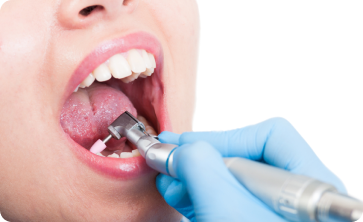
The dentist conducts a thorough examination, which may include X-rays or a 3D scan, to assess the patient’s bone structure and overall oral health.

The titanium post is surgically inserted into the jawbone under local anesthesia. Depending on the case, a temporary crown may be placed during healing.
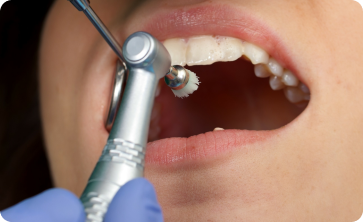
Over the next few months (typically 3 to 6), the implant fuses with the jawbone. This period is crucial for the stability of the implant.
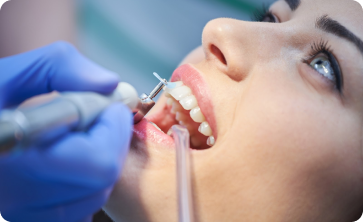
Once osseointegration is complete, the abutment is attached to the implant post. This component serves as the connector between the implant and the crown.
A custom-made crown, designed to match the shape, size, and color of the natural teeth, is affixed to the abutment. The result is a natural-looking and fully functional tooth.
The crown is crafted to blend seamlessly with the surrounding teeth, restoring the patient’s smile.
The implant functions like a natural tooth, allowing patients to chew, speak, and smile confidently.
By stimulating the jawbone, the implant prevents bone loss and maintains facial structure.
With proper care, dental implants can last a lifetime, making them a cost-effective solution in the long run.
Unlike dental bridges, implants do not require grinding down neighboring teeth, preserving their natural structure.

He ventured into Clear Aligners due to his avid interest in Digital Technology and is now a Top Invisalign Provider in Gujarat.

Dr Mable is an Orthodontist with experience of over a decade, she is specialized in the field of Orthodontics (Braces), Invisalign (Clear Aligners) and Dental Implants.
Best Results
Painless Treatment
Result in time