Mon To Sat 10:00 AM to 7:00 PM

When we go to the office every day, we carry on a time-honored tradition of getting to know our clients.
Tooth loss can significantly impact a person’s quality of life, especially when more than one tooth is missing. It can affect chewing, speaking, and even the structure of the face. Fortunately, advancements in dental technology have made it possible to restore missing teeth with highly effective, long-lasting solutions.
One such solution is the use of multiple tooth implants a method that replaces several missing teeth using implant-supported restorations. This essay explores the procedure, benefits, risks, and future of multiple tooth implants, shedding light on why they are considered a superior alternative to traditional dental prosthetics.
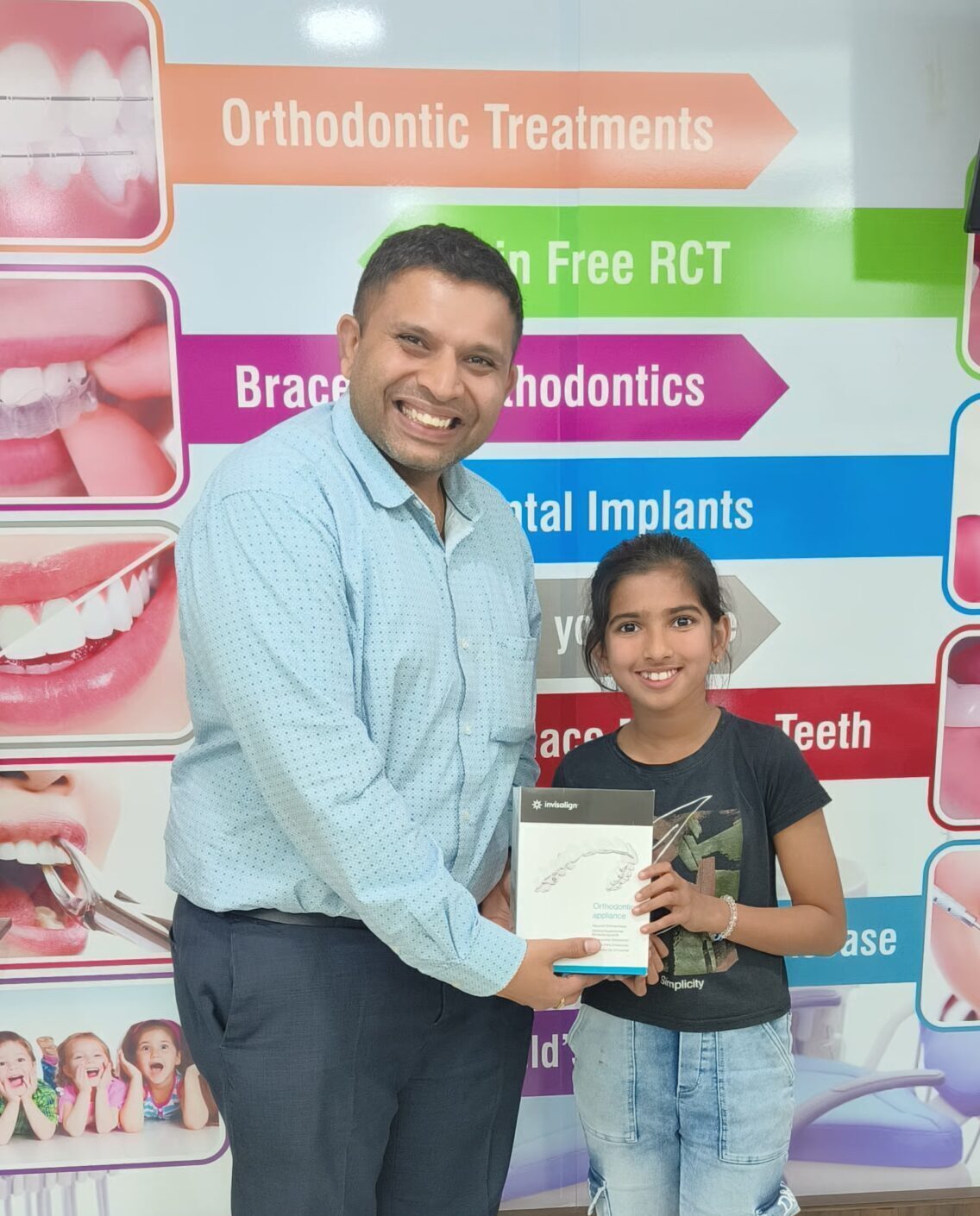
Multiple tooth implants involve the placement of two or more dental implants into the jawbone to support multiple replacement teeth At The Dental Wellness Centre Depending on the number and location of missing teeth, the implants may support individual crowns, a fixed bridge, or even full-arch prosthetics. Unlike traditional bridges or dentures, which rest on the gums or rely on surrounding teeth for support, dental implants integrate directly with the jawbone, providing a sturdy and permanent foundation.
This treatment is ideal for patients who have lost several adjacent teeth or even non-adjacent teeth in different areas of the mouth. It can restore both the function and aesthetics of a natural smile while preventing bone loss and maintaining facial structure.
Like single implants, multiple tooth implants typically consist of three components:
Although dental implants have a high success rate, they are not without potential complications. Risks include:
Patients must have adequate bone density and healthy gums to be good candidates for the procedure. In cases of bone loss, bone grafting may be necessary before implant placement.
Maintaining oral hygiene is critical to the longevity of multiple tooth implants. Daily brushing and flossing, regular dental checkups, and avoiding harmful habits like smoking or chewing on hard objects can help keep implants healthy. While the implants themselves cannot decay, the surrounding tissues can still be affected by gum disease, so professional cleaning is essential.
Missing multiple teeth can negatively affect self-esteem and social interaction. Individuals may avoid smiling, laughing, or eating in public due to embarrassment. Multiple tooth implants offer a life-changing solution, allowing patients to regain confidence, improve their social lives, and enjoy everyday activities without worry.
Though implants have a higher initial cost than dentures or bridges, they often prove to be more cost-effective in the long term. Traditional options may need frequent repairs or replacements, while implants are designed for long-term use with minimal maintenance. Moreover, they help avoid future oral health problems, potentially saving costs on future dental treatments.
Technology continues to enhance the efficiency and success of implant dentistry. Innovations such as digital smile design, 3D-printed surgical guides, and immediate load implants (where the restoration is placed on the same day as the implant) have made procedures faster and more predictable. Material advancements—like zirconia implants for metal-free solutions—are also gaining popularity.
Looking ahead, research into stem cells, bone regeneration, and smart implants is expected to revolutionize the field further, making dental implants even more accessible and efficient.
The process of getting multiple tooth implants generally follows these steps:
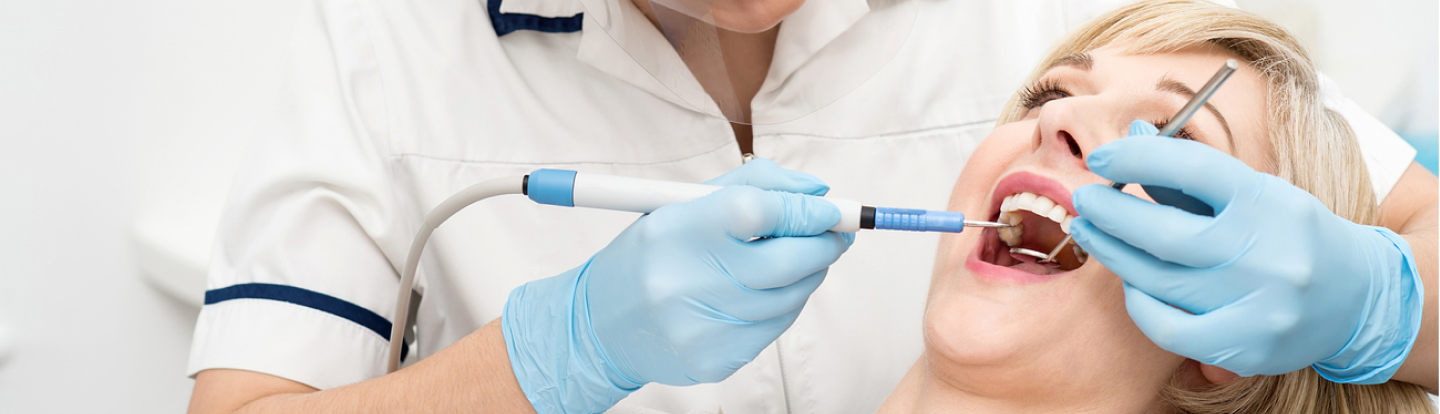
A thorough dental exam, including X-rays or 3D imaging, is conducted. The dentist assesses bone health and determines how many implants are needed and where they should be placed.
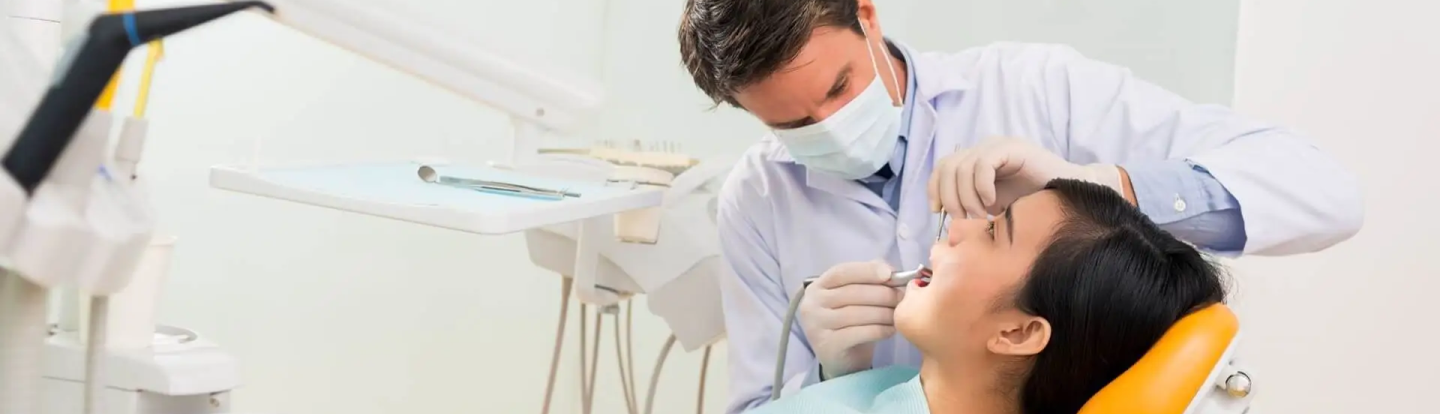
The dental implants are surgically inserted into the jawbone. This is usually done under local anesthesia, and sedation may be offered depending on the complexity of the procedure.
Over the next three to six months, the implants fuse with the jawbone in a process known as osseointegration.
After healing, the abutments are placed to prepare for the final prosthetic attachment.
Custom-made crowns or bridges are fixed onto the abutments, completing the restoration.
There are several options depending on the number of missing teeth:
Instead of using a single implant for each tooth, a bridge may be used, supported by implants on either end.
These are removable or fixed partial dentures anchored by implants.
For patients missing all teeth in the upper or lower jaw, multiple implants can support a full arch of prosthetic teeth (e.g., All-on-4 or All-on-6 techniques).
Multiple tooth implants offer a powerful solution for individuals facing the challenges of multiple tooth loss. Beyond their aesthetic advantages, they restore essential functions like chewing and speaking, preserve oral health, and significantly enhance quality of life. With their proven durability, natural appearance, and minimal impact on surrounding teeth, multiple implants represent the pinnacle of modern restorative dentistry. While the procedure requires a commitment of time and resources, the long-term benefits far outweigh the costs. For those seeking a permanent, reliable, and life-enhancing dental solution, multiple tooth implants are an investment worth making

The Dental Wellness Centre is a true dental oasis! With a focus on Invisalign, dental implants, and digital dentistry, Dr. Vishal and Dr. Mable ensure each visit is a seamless and pleasant experience.

My experience with the painless root canal treatment at The Dental Wellness Centre was fantastic. The dentist was gentle and skilled, and I experienced minimal discomfort during and after the procedure. Highly recommend their expertise in endodontics!

The painless root canal treatment I received at The Dental Wellness Centre was a game-changer. The dentist was skilled and attentive, and I experienced minimal discomfort throughout the procedure. Thank you for the excellent care!

Dr. Vishal and Dr. Mabel are very knowledgeable and best orthodontist team in the town...very great experience..Thank you for my beautiful teeth... I haven’t stopped smiling since I had my braces removed. Thanks again.”

I recently had the privilege of undergoing dental treatment of tooth implantation at Dr. Mable's clinic, and I'm beyond impressed. Not only is Dr. Mable an exceptional dentist, but their clinic is also top-notch. The state-of-the-art facilities and the use of the latest dental technology were evident throughout my entire visit. From digital imaging for precise diagnostics to advanced equipment for the tooth implantation procedure, Dr. Mable's clinic truly embraces cutting-edge technology. I felt confident and well-cared for every step of the way. If you're seeking modern, high-quality dental care, Dr. Mable and their clinic are the perfect choice.

I completed my rct here and it's was almost painless treatment ..and the Doctors behavior ,work is excellent and appointment time always precise.. Thank you the dentalwellness centre and team...

The Dental Wellness Centre provided exceptional care during my dental implant journey. Dr. Mable's professionalism and the clinic's friendly atmosphere made each visit comfortable. Thrilled with the outcome!

I had an excellent experience at this dental clinic in Ahmedabad. Dr. Mable Patel and her team were professional, caring, and made sure my treatment was comfortable and painless. With her expertise, it’s clear why she’s considered one of the top 10 dentists in Ahmedabad. I highly recommend this clinic for anyone seeking trusted and advanced dental care in Ahmedabad.

My experience with dental implants exceeded expectations. Invisalign brilliance, coupled with Dr. Vishal and Dr. Mable's careful approach, resulted in exceptional results. The commitment to excellence is evident throughout.

TDWC's commitment to excellence shines through in their dental implant services. Invisalign treatments, along with the expertise of Dr. Vishal and Dr. Mable, make it a reliable choice for comprehensive dental care.

The Dental Wellness Centre is a true dental oasis! With a focus on Invisalign, dental implants, and digital dentistry, Dr. Vishal and Dr. Mable ensure each visit is a seamless and pleasant experience.

He ventured into Clear Aligners due to his avid interest in Digital Technology and is now a Top Invisalign Provider in Gujarat.

Dr Mable is an Orthodontist with experience of over a decade, she is specialized in the field of Orthodontics (Braces), Invisalign (Clear Aligners) and Dental Implants.
Best Results
Painless Treatment
Result in time