Mon To Sat 10:00 AM to 7:00 PM

When we go to the office every day, we carry on a time-honored tradition of getting to know our clients.
Gum surgery, also known as periodontal surgery, refers to various surgical procedures aimed at treating conditions affecting the gums and supporting structures of the teeth. While many people associate dental health with teeth alone, the health of the gums plays an equally crucial role in maintaining a healthy mouth. Gum disease, or periodontal disease, is one of the most common reasons for gum surgery, especially in its advanced stages. This essay explores the causes that lead to gum surgery, types of procedures, the benefits, potential risks, recovery, and the importance of post-surgical care.
Gum disease begins as gingivitis, an inflammation of the gums caused by plaque buildup. If left untreated, it can progress to periodontitis, a more severe condition where the gums begin to pull away from the teeth, forming pockets that collect bacteria. This leads to damage to the bone and connective tissues supporting the teeth, potentially resulting in tooth loss.
When non-surgical treatments like deep cleaning (scaling and root planing) fail to control the progression of periodontitis, gum surgery may be necessary.
The primary goals of gum surgery are:
There are several types of gum surgery, each suited for specific conditions or desired outcomes:
This is the most common type of gum surgery. The dentist or periodontist lifts the gums away from the teeth to remove tartar and bacteria from deep pockets. After cleaning, the gums are sutured back tightly around the teeth.
This procedure removes excess gum tissue that may be overgrowing the teeth due to medication, genetics, or gum disease. It also eliminates pockets between the teeth and gums.
Gingivoplasty reshapes healthy gum tissue for cosmetic purposes or to correct deformities caused by disease or trauma. It is often performed with a gingivectomy.
Used to treat gum recession, a soft tissue graft involves taking tissue from the roof of the mouth or a donor source and attaching it to the affected area to cover exposed roots.
In cases where gum disease has caused bone loss, bone grafts or regenerative materials are placed in the area to encourage the growth of new bone and tissue.
This procedure removes gum tissue, bone, or both to expose more of a tooth’s surface. It is used for both restorative and cosmetic reasons, such as preparing a tooth for a crown or improving a “gummy smile.”
Recovery from gum surgery typically ranges from a few days to a few weeks, depending on the type and extent of the procedure.
Tips for recovery include:
Swelling, mild bleeding, and discomfort are common but usually subside within a week. Proper aftercare is critical to ensure healing and prevent infection or complications.
Like any surgical procedure, gum surgery carries potential risks, though they are generally minimal when performed by an experienced periodontist.
Possible complications include:
Patients with underlying health conditions such as diabetes or those who smoke may have delayed healing or increased risk of complications.
Surgery alone cannot maintain gum health. Post-surgical care and excellent oral hygiene are essential to ensure long-term success. This includes:
Modern periodontal treatment has benefited from technological innovations, including:
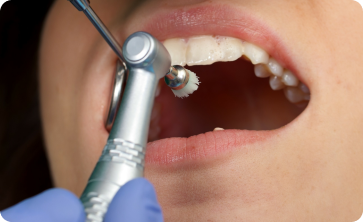
A complete dental evaluation, including X-rays
Deep cleaning to reduce bacterial load
Local anesthesia or sedation options discussed
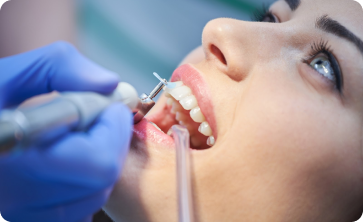
The specific procedure is performed based on diagnosis
Bleeding is controlled, and the area is sutured
The dentist may place a protective dressing over the surgical site
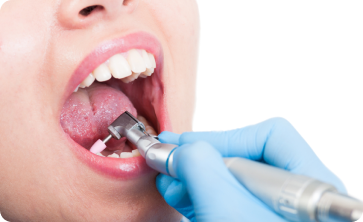
Instructions are given for care, medication, and diet
Follow-up appointments are scheduled
Despite its invasive nature, gum surgery offers several benefits:
Eliminating pockets and bacterial buildup helps protect teeth and supporting structures.
Stabilizing gum and bone support can preserve natural teeth.
Reshaping gums or covering receded areas improves the appearance of the smile.
Healthy gums are essential for procedures like crowns, bridges, and implants.
Treating gum disease can reduce the risk of systemic conditions like heart disease, stroke, and diabetes complications.
Gum surgery is a critical tool in modern dentistry, offering solutions for both functional and aesthetic issues related to the gums. Whether treating advanced periodontal disease or improving the look of a smile, surgical intervention can restore oral health and prevent further complications. With proper planning, skilled execution, and diligent aftercare, gum surgery delivers lasting benefits that contribute not only to a healthier mouth but also to an enhanced quality of life. As dental technology continues to advance, these procedures are becoming safer, more effective, and more accessible, ensuring that more patients can enjoy the confidence of a healthy, beautiful smile

The Dental Wellness Centre is a true dental oasis! With a focus on Invisalign, dental implants, and digital dentistry, Dr. Vishal and Dr. Mable ensure each visit is a seamless and pleasant experience.

My experience with the painless root canal treatment at The Dental Wellness Centre was fantastic. The dentist was gentle and skilled, and I experienced minimal discomfort during and after the procedure. Highly recommend their expertise in endodontics!

The painless root canal treatment I received at The Dental Wellness Centre was a game-changer. The dentist was skilled and attentive, and I experienced minimal discomfort throughout the procedure. Thank you for the excellent care!

Dr. Vishal and Dr. Mabel are very knowledgeable and best orthodontist team in the town...very great experience..Thank you for my beautiful teeth... I haven’t stopped smiling since I had my braces removed. Thanks again.”

I recently had the privilege of undergoing dental treatment of tooth implantation at Dr. Mable's clinic, and I'm beyond impressed. Not only is Dr. Mable an exceptional dentist, but their clinic is also top-notch. The state-of-the-art facilities and the use of the latest dental technology were evident throughout my entire visit. From digital imaging for precise diagnostics to advanced equipment for the tooth implantation procedure, Dr. Mable's clinic truly embraces cutting-edge technology. I felt confident and well-cared for every step of the way. If you're seeking modern, high-quality dental care, Dr. Mable and their clinic are the perfect choice.

I completed my rct here and it's was almost painless treatment ..and the Doctors behavior ,work is excellent and appointment time always precise.. Thank you the dentalwellness centre and team...

The Dental Wellness Centre provided exceptional care during my dental implant journey. Dr. Mable's professionalism and the clinic's friendly atmosphere made each visit comfortable. Thrilled with the outcome!

I had an excellent experience at this dental clinic in Ahmedabad. Dr. Mable Patel and her team were professional, caring, and made sure my treatment was comfortable and painless. With her expertise, it’s clear why she’s considered one of the top 10 dentists in Ahmedabad. I highly recommend this clinic for anyone seeking trusted and advanced dental care in Ahmedabad.

My experience with dental implants exceeded expectations. Invisalign brilliance, coupled with Dr. Vishal and Dr. Mable's careful approach, resulted in exceptional results. The commitment to excellence is evident throughout.

TDWC's commitment to excellence shines through in their dental implant services. Invisalign treatments, along with the expertise of Dr. Vishal and Dr. Mable, make it a reliable choice for comprehensive dental care.

The Dental Wellness Centre is a true dental oasis! With a focus on Invisalign, dental implants, and digital dentistry, Dr. Vishal and Dr. Mable ensure each visit is a seamless and pleasant experience.

He ventured into Clear Aligners due to his avid interest in Digital Technology and is now a Top Invisalign Provider in Gujarat.

Dr Mable is an Orthodontist with experience of over a decade, she is specialized in the field of Orthodontics (Braces), Invisalign (Clear Aligners) and Dental Implants.
Best Results
Painless Treatment
Result in time