Mon To Sat 10:00 AM to 7:00 PM

When we go to the office every day, we carry on a time-honored tradition of getting to know our clients.
A beautiful smile is often considered one of the most attractive features a person can possess. Beyond aesthetics, the alignment of our teeth plays a crucial role in oral health, speech, chewing, and overall confidence. Braces treatment, also known as orthodontic treatment, is a widely used method to correct misaligned teeth and jaws. With advances in dental technology, braces have evolved from bulky metal contraptions to sleek, comfortable, and discreet options. This essay explores the purpose, types, process, benefits, and potential challenges of braces treatment, highlighting its importance in modern dentistry.
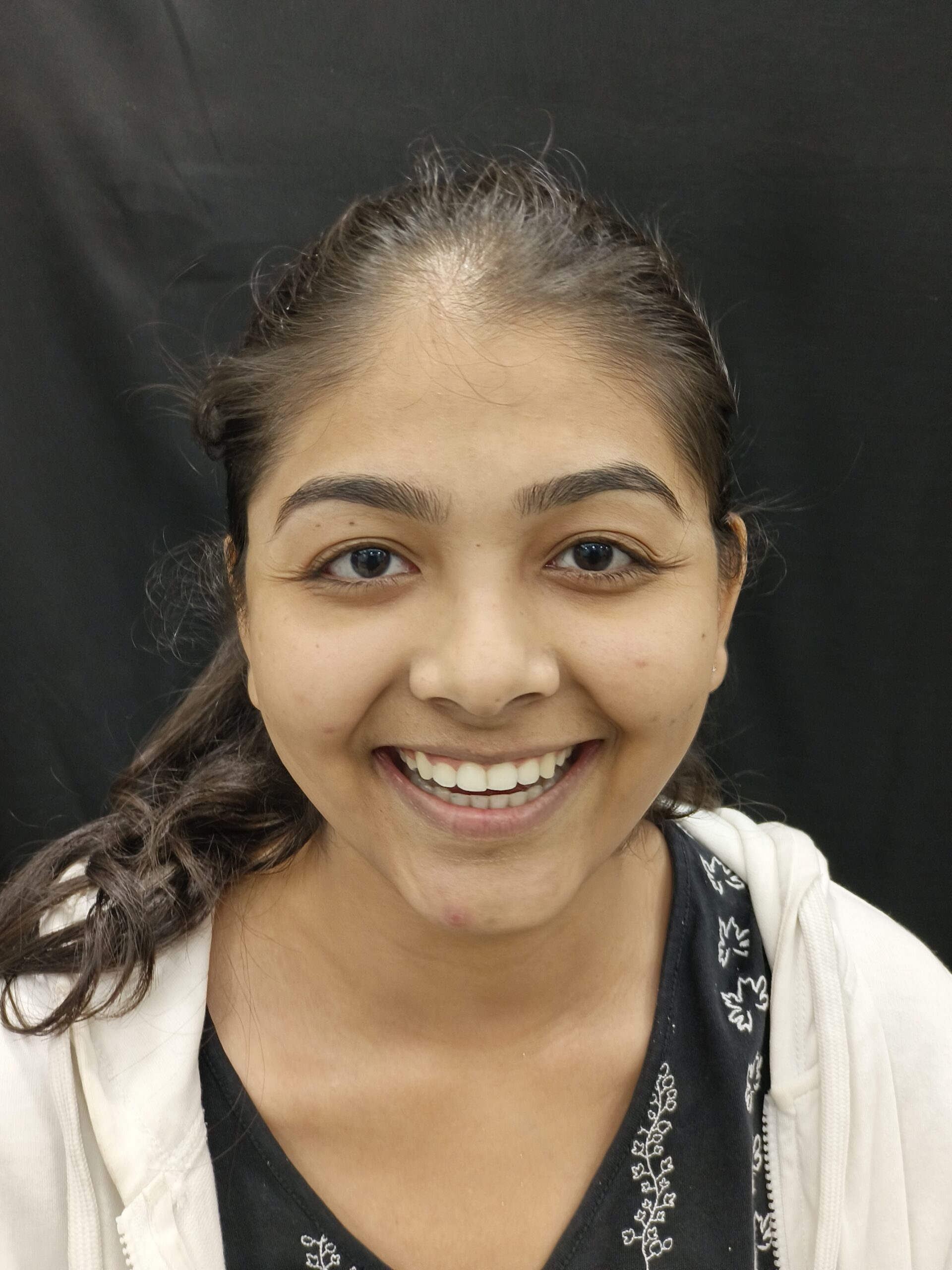
Braces treatment is a dental procedure used to correct malocclusion, which refers to the misalignment of teeth and jaws. This may include conditions like crowding, spacing, overbites, underbites, crossbites, and open bites. Braces work by applying continuous, gentle pressure on the teeth over time, gradually moving them into their proper positions. The treatment is usually carried out by a dental specialist known as an orthodontist.
People undergo braces treatment for both functional and aesthetic reasons. Common indications include:
Malocclusion can cause difficulty in chewing, speaking, maintaining oral hygiene, and can lead to tooth decay or gum disease if left untreated.
Thanks to advances in dental technology, patients now have multiple options when it comes to braces. Each type has its advantages and is chosen based on the patient’s needs, budget, and preferences.
Traditional metal braces are made of high-grade stainless steel. They consist of metal brackets attached to the teeth with a wire running through them, adjusted periodically to shift the teeth.
Ceramic braces function like metal braces but use tooth-colored or clear brackets, making them less noticeable.
Lingual braces are similar to traditional braces but are placed on the inside (lingual side) of the teeth.
These are transparent, removable trays that gradually move teeth into position. Popular among adults and teens, clear aligners are virtually invisible.
While braces treatment offers many benefits, it also comes with certain challenges:
The psychological effects of braces treatment can be significant, especially for teens and young adults. Some may feel self-conscious about their appearance during treatment. However, the long-term boost in confidence and self-esteem usually outweighs temporary embarrassment. Modern options like clear aligners have helped alleviate many of these concerns by offering discreet alternatives.
The field of orthodontics is constantly evolving with the use of digital scans, 3D printing, and AI-based treatment planning. These innovations have improved the accuracy, comfort, and speed of braces treatment. Customized brackets, self-ligating systems, and accelerated orthodontics (like Propel and AcceleDent) are also making treatment faster and more efficient.
Once braces are removed, retainers play a crucial role in maintaining results. There are two main types of retainers:
Braces treatment typically involves several stages over a span of 12 to 36 months, depending on the complexity of the case.
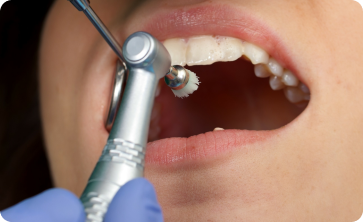
The orthodontist performs an examination, takes X-rays, photographs, and dental impressions to evaluate the patient’s bite and plan the treatment.
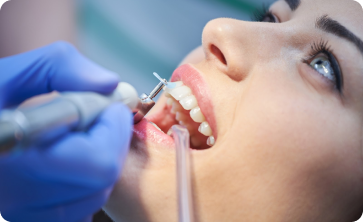
Brackets are bonded to the teeth, and wires are placed. The orthodontist may also use spacers, bands, or other appliances as needed.
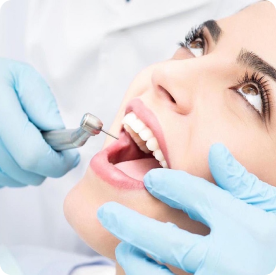
Regular visits (usually every 4–8 weeks) are scheduled for tightening wires and adjusting the braces to continue moving the teeth.

Throughout the process, the orthodontist monitors tooth movement and makes necessary modifications. Additional appliances like elastics may be used to correct jaw alignment.
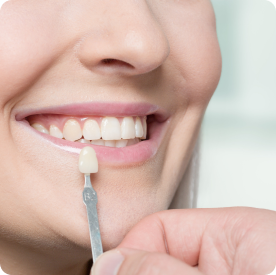
Once alignment is complete, braces are removed. A retainer is provided to maintain the new position of the teeth and prevent relapse.
Braces treatment offers a wide range of functional, aesthetic, and psychological benefits:
Straight teeth are easier to clean and maintain, reducing the risk of cavities, gum disease, and bad breath.
Correcting crooked or gapped teeth leads to a more attractive smile and boosts self-confidence.
Braces improve bite alignment, enabling better chewing, digestion, and speech.
Although the treatment may take years, the results can last a lifetime with proper care and maintenance.
Braces treatment is a time-tested and highly effective method to correct dental misalignment and improve oral health. From traditional metal braces to modern clear aligners, the wide variety of options ensures that people of all ages can find a solution that fits their lifestyle and goals. While the journey may require patience and commitment, the results—a straight, healthy, and confident smile—are well worth the effort. With proper planning, professional care, and post-treatment maintenance, braces offer not just cosmetic improvement but a lifetime of functional benefits and enhanced well-being

The Dental Wellness Centre is a true dental oasis! With a focus on Invisalign, dental implants, and digital dentistry, Dr. Vishal and Dr. Mable ensure each visit is a seamless and pleasant experience.

My experience with the painless root canal treatment at The Dental Wellness Centre was fantastic. The dentist was gentle and skilled, and I experienced minimal discomfort during and after the procedure. Highly recommend their expertise in endodontics!

The painless root canal treatment I received at The Dental Wellness Centre was a game-changer. The dentist was skilled and attentive, and I experienced minimal discomfort throughout the procedure. Thank you for the excellent care!

Dr. Vishal and Dr. Mabel are very knowledgeable and best orthodontist team in the town...very great experience..Thank you for my beautiful teeth... I haven’t stopped smiling since I had my braces removed. Thanks again.”

I recently had the privilege of undergoing dental treatment of tooth implantation at Dr. Mable's clinic, and I'm beyond impressed. Not only is Dr. Mable an exceptional dentist, but their clinic is also top-notch. The state-of-the-art facilities and the use of the latest dental technology were evident throughout my entire visit. From digital imaging for precise diagnostics to advanced equipment for the tooth implantation procedure, Dr. Mable's clinic truly embraces cutting-edge technology. I felt confident and well-cared for every step of the way. If you're seeking modern, high-quality dental care, Dr. Mable and their clinic are the perfect choice.

I completed my rct here and it's was almost painless treatment ..and the Doctors behavior ,work is excellent and appointment time always precise.. Thank you the dentalwellness centre and team...

The Dental Wellness Centre provided exceptional care during my dental implant journey. Dr. Mable's professionalism and the clinic's friendly atmosphere made each visit comfortable. Thrilled with the outcome!

I had an excellent experience at this dental clinic in Ahmedabad. Dr. Mable Patel and her team were professional, caring, and made sure my treatment was comfortable and painless. With her expertise, it’s clear why she’s considered one of the top 10 dentists in Ahmedabad. I highly recommend this clinic for anyone seeking trusted and advanced dental care in Ahmedabad.

My experience with dental implants exceeded expectations. Invisalign brilliance, coupled with Dr. Vishal and Dr. Mable's careful approach, resulted in exceptional results. The commitment to excellence is evident throughout.

TDWC's commitment to excellence shines through in their dental implant services. Invisalign treatments, along with the expertise of Dr. Vishal and Dr. Mable, make it a reliable choice for comprehensive dental care.

The Dental Wellness Centre is a true dental oasis! With a focus on Invisalign, dental implants, and digital dentistry, Dr. Vishal and Dr. Mable ensure each visit is a seamless and pleasant experience.

He ventured into Clear Aligners due to his avid interest in Digital Technology and is now a Top Invisalign Provider in Gujarat.

Dr Mable is an Orthodontist with experience of over a decade, she is specialized in the field of Orthodontics (Braces), Invisalign (Clear Aligners) and Dental Implants.
Best Results
Painless Treatment
Result in time