Mon To Sat 10:00 AM to 7:00 PM

When we go to the office every day, we carry on a time-honored tradition of getting to know our clients.
Oral cancer is a significant global health issue, affecting hundreds of thousands of individuals each year. It includes cancers of the lips, tongue, cheeks, floor of the mouth, hard and soft palate, sinuses, and throat. Despite being highly treatable when detected early, many cases of oral cancer are diagnosed at a late stage, reducing the chances of successful treatment and increasing the risk of mortality. This is where oral cancer screening becomes critically important. Oral cancer screening involves a quick and painless examination of the oral cavity and surrounding areas to identify signs of potentially malignant disorders or early-stage cancers. This essay explores the importance, procedures, benefits, limitations, and future of oral cancer screening.
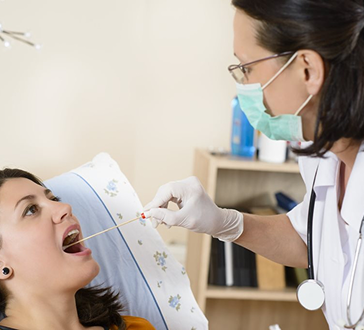
Oral cancer is part of a larger group of cancers commonly referred to as head and neck cancers. The most common type is squamous cell carcinoma, which arises from the flat cells lining the mouth and throat. Risk factors include:
Early detection is crucial because oral cancer often starts as asymptomatic lesions or ulcers that can go unnoticed. Once the disease progresses, symptoms may include persistent sores, pain, difficulty swallowing, hoarseness, or swelling.
Oral cancer screening is a preventive examination carried out by dental professionals, medical doctors, or trained healthcare providers. The goal is to identify abnormalities or suspicious lesions in the oral cavity or oropharynx before they become cancerous or at an early, treatable stage.
There are two primary types of oral cancer screening:
This is the standard and most commonly used method. The dentist or doctor visually examines the oral cavity and feels for any abnormal growths, lumps, or hardened areas. This may include checking:
To enhance the effectiveness of screening, several adjunctive tools and technologies have been developed:
Oral cancer screening is generally recommended for:
Dentists and primary care physicians should assess risk factors and determine screening frequency based on individual needs.
Dentists play a crucial role in the early detection of oral cancer. During routine cleanings and exams, they are uniquely positioned to identify abnormalities. They should:
The most important benefit is the potential to detect cancer at an early stage, where treatment is more effective and less invasive. Early-stage oral cancers have a five-year survival rate of approximately 80–90%, compared to less than 50% for late-stage diagnoses.
Early detection allows for more conservative treatments, reducing the need for extensive surgery, radiation, or chemotherapy. This also minimizes physical disfigurement and improves the patient's quality of life.
Screening educates patients about risk factors, signs, and symptoms of oral cancer. It encourages self-examination and lifestyle changes, such as quitting tobacco or limiting alcohol.
Oral cancer screenings are quick (often under 5 minutes), non-invasive, and can be performed during routine dental check-ups. Early detection can significantly reduce the cost of cancer treatment over time.
Oral cancer screening is a simple yet powerful tool in the fight against a potentially deadly disease. While not without its challenges, routine screening—especially among high-risk populations—can lead to early diagnosis, more effective treatment, and improved survival rates. Public education, access to dental care, and continued research into better screening tools are all essential for reducing the global burden of oral cancer. By prioritizing screening as part of routine healthcare, we move one step closer to a future where oral cancer is detected early, treated effectively, and, ultimately, prevented altogether

The Dental Wellness Centre is a true dental oasis! With a focus on Invisalign, dental implants, and digital dentistry, Dr. Vishal and Dr. Mable ensure each visit is a seamless and pleasant experience.

My experience with the painless root canal treatment at The Dental Wellness Centre was fantastic. The dentist was gentle and skilled, and I experienced minimal discomfort during and after the procedure. Highly recommend their expertise in endodontics!

The painless root canal treatment I received at The Dental Wellness Centre was a game-changer. The dentist was skilled and attentive, and I experienced minimal discomfort throughout the procedure. Thank you for the excellent care!

Dr. Vishal and Dr. Mabel are very knowledgeable and best orthodontist team in the town...very great experience..Thank you for my beautiful teeth... I haven’t stopped smiling since I had my braces removed. Thanks again.”

I recently had the privilege of undergoing dental treatment of tooth implantation at Dr. Mable's clinic, and I'm beyond impressed. Not only is Dr. Mable an exceptional dentist, but their clinic is also top-notch. The state-of-the-art facilities and the use of the latest dental technology were evident throughout my entire visit. From digital imaging for precise diagnostics to advanced equipment for the tooth implantation procedure, Dr. Mable's clinic truly embraces cutting-edge technology. I felt confident and well-cared for every step of the way. If you're seeking modern, high-quality dental care, Dr. Mable and their clinic are the perfect choice.

I completed my rct here and it's was almost painless treatment ..and the Doctors behavior ,work is excellent and appointment time always precise.. Thank you the dentalwellness centre and team...

The Dental Wellness Centre provided exceptional care during my dental implant journey. Dr. Mable's professionalism and the clinic's friendly atmosphere made each visit comfortable. Thrilled with the outcome!

I had an excellent experience at this dental clinic in Ahmedabad. Dr. Mable Patel and her team were professional, caring, and made sure my treatment was comfortable and painless. With her expertise, it’s clear why she’s considered one of the top 10 dentists in Ahmedabad. I highly recommend this clinic for anyone seeking trusted and advanced dental care in Ahmedabad.

My experience with dental implants exceeded expectations. Invisalign brilliance, coupled with Dr. Vishal and Dr. Mable's careful approach, resulted in exceptional results. The commitment to excellence is evident throughout.

TDWC's commitment to excellence shines through in their dental implant services. Invisalign treatments, along with the expertise of Dr. Vishal and Dr. Mable, make it a reliable choice for comprehensive dental care.

The Dental Wellness Centre is a true dental oasis! With a focus on Invisalign, dental implants, and digital dentistry, Dr. Vishal and Dr. Mable ensure each visit is a seamless and pleasant experience.

He ventured into Clear Aligners due to his avid interest in Digital Technology and is now a Top Invisalign Provider in Gujarat.
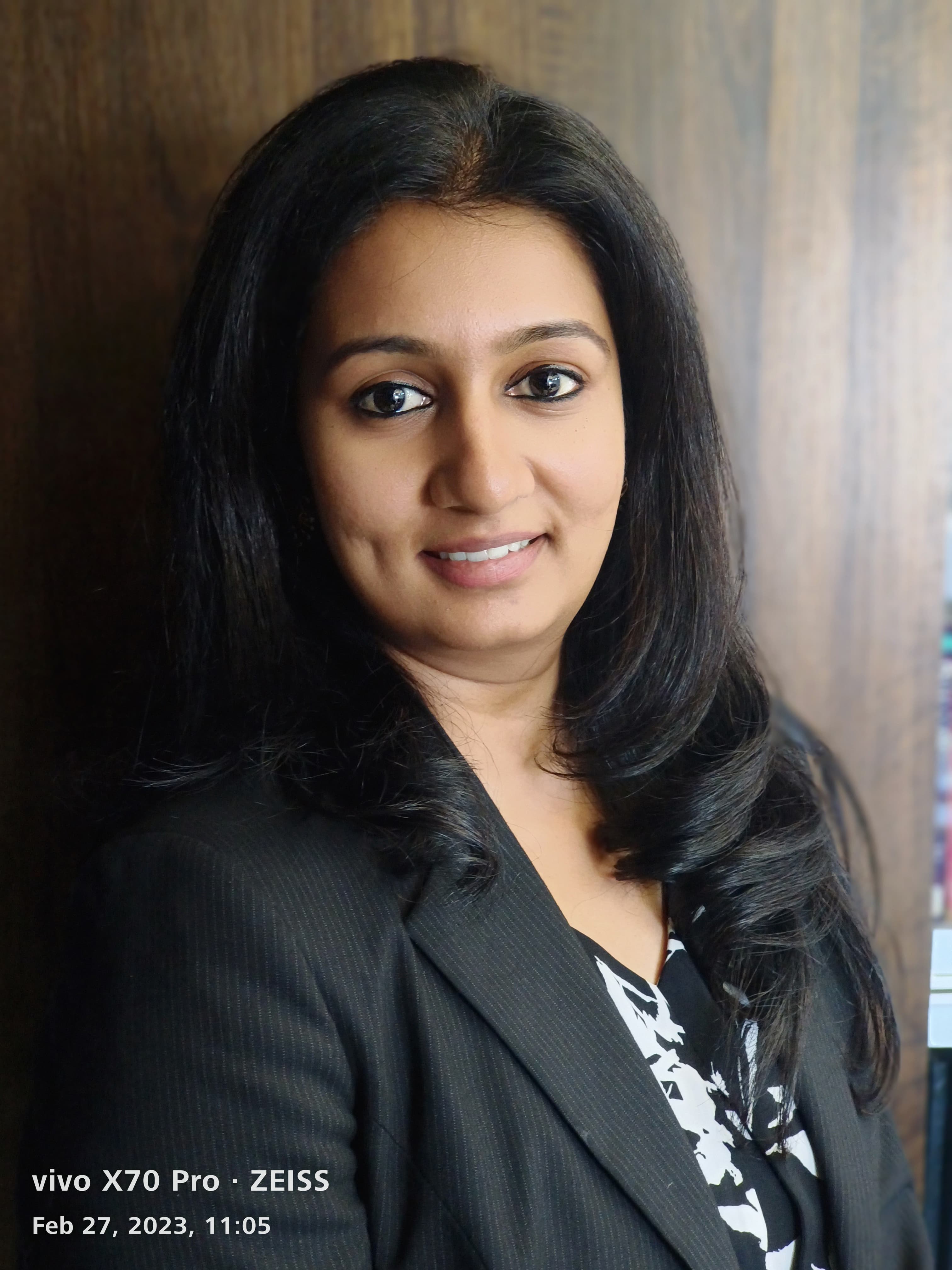
Dr Mable is an Orthodontist with experience of over a decade, she is specialized in the field of Orthodontics (Braces), Invisalign (Clear Aligners) and Dental Implants.
Best Results
Painless Treatment
Result in time