Mon To Sat 10:00 AM to 7:00 PM

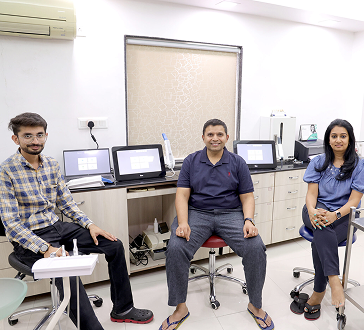
When we go to the office every day, we carry on a time-honored tradition of getting to know our clients.
The field of dentistry has experienced remarkable transformations over the past few decades, largely due to technological advancements. Among the most revolutionary changes is the integration of digital technology into dental practices, known as digital dentistry. This shift has significantly enhanced diagnostic accuracy, treatment efficiency, patient comfort, and overall outcomes. From digital impressions to 3D printing, artificial intelligence (AI), and computer-aided design and manufacturing (CAD/CAM), digital dentistry has redefined the way dental care is delivered.
This essay explores the concept of digital dentistry, its tools and applications, its advantages over traditional methods, challenges faced in its adoption, and the future outlook of this rapidly evolving field.
Digital dentistry refers to the use of digital technologies and devices to perform dental procedures. It encompasses any dental technology or device that uses digital or computer-based components, rather than mechanical or manual techniques. The scope of digital dentistry is vast and continues to expand as innovation grows.
Despite its advantages, digital dentistry faces some obstacles:
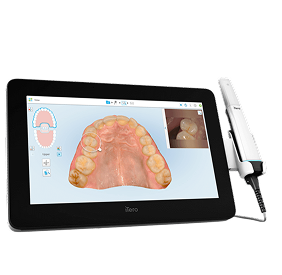
Intraoral scanners replace traditional impression materials by capturing accurate 3D images of the patient’s oral structures. These digital impressions are more comfortable for the patient and eliminate the need for messy trays and materials.
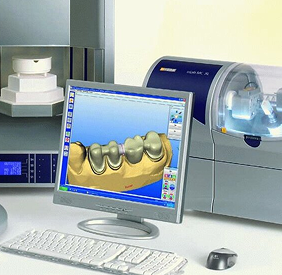
Computer-Aided Design and Computer-Aided Manufacturing enable the design and creation of dental restorations such as crowns, bridges, veneers, and dentures.
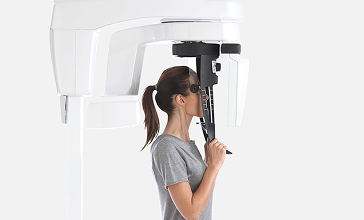
CBCT provides 3D images of teeth, soft tissues, nerve pathways, and bone in a single scan. It’s especially useful for surgical planning, implant placement, and complex root
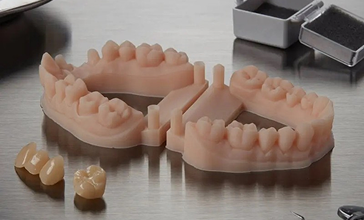
3D printing has become a powerful tool in dentistry. Dentists can now print models, surgical guides, dentures, aligners, temporary crowns, and even permanent restorations using biocompatible materials. This technology reduces production time and enhances customization for individual patients.
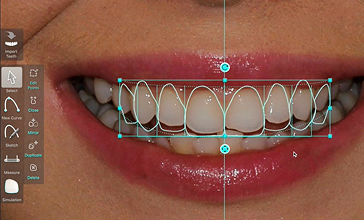
Digital smile design allows dentists to digitally plan and visualize cosmetic treatments before beginning the procedure. Using photographs, videos, and 3D software, practitioners can simulate outcomes and involve patients in designing their ideal smile. This improves patient satisfaction and reduces misunderstandings.
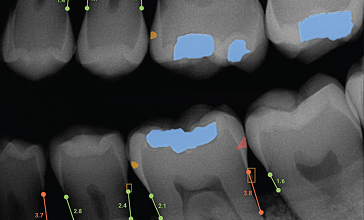
AI is playing an increasing role in diagnostics and treatment planning. AI-powered tools can detect caries, analyze radiographs, predict outcomes, and automate recordkeeping. Machine learning algorithms improve over time, helping dentists make faster and more accurate clinical decisions.
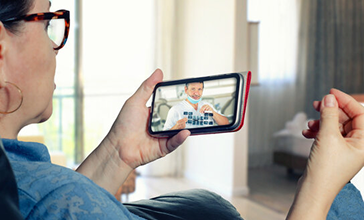
Teledentistry uses digital communication tools to offer consultations, monitoring, and follow-ups remotely. This is particularly useful in rural areas, during public health crises like COVID-19, or for patients with limited mobility. It increases access to care and reduces unnecessary clinic visits.
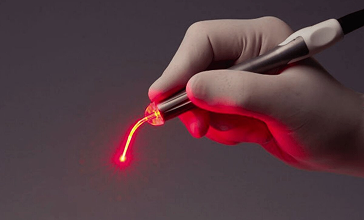
Lasers are used for soft tissue surgeries, whitening, and cavity preparation, offering a minimally invasive alternative to traditional tools. Combined with digital guides, surgical procedures can now be planned and executed with enhanced precision.
Digital tools provide highly precise data for diagnosis and treatment, minimizing human error. For example, CAD/CAM restorations fit better than those made using traditional impressions.
Digital impressions are more comfortable than conventional methods. The ability to show patients 3D simulations or virtual outcomes makes them more involved and confident in their treatment plan.
Procedures that once required multiple appointments—like crowns or bridges—can now be completed in a single day using same-day CAD/CAM technology. This is a major convenience for both the dentist and the patient.
Digital planning tools ensure that treatments such as implant placements or orthodontic corrections are more predictable and less invasive. This improves clinical outcomes and reduces complications.
By eliminating materials like impression trays, plaster, and physical models, digital dentistry contributes to a more sustainable and environmentally friendly practice.
Digital files can be shared instantly with dental labs or specialists, improving communication and reducing delays in treatment.
Digital dentistry has undoubtedly changed the landscape of modern dental practice. It enhances precision, improves the patient experience, and streamlines clinical workflows. While there are challenges in terms of cost and training, the long-term benefits make digital integration not just a trend but a necessity in 21st-century dentistry. As innovations continue to emerge, digital dentistry will further evolve, offering even more powerful tools for prevention, diagnosis, and treatment. Embracing these changes means providing higher-quality care, greater efficiency, and better outcomes for dental patients around the world.

The Dental Wellness Centre is a true dental oasis! With a focus on Invisalign, dental implants, and digital dentistry, Dr. Vishal and Dr. Mable ensure each visit is a seamless and pleasant experience.

My experience with the painless root canal treatment at The Dental Wellness Centre was fantastic. The dentist was gentle and skilled, and I experienced minimal discomfort during and after the procedure. Highly recommend their expertise in endodontics!

The painless root canal treatment I received at The Dental Wellness Centre was a game-changer. The dentist was skilled and attentive, and I experienced minimal discomfort throughout the procedure. Thank you for the excellent care!

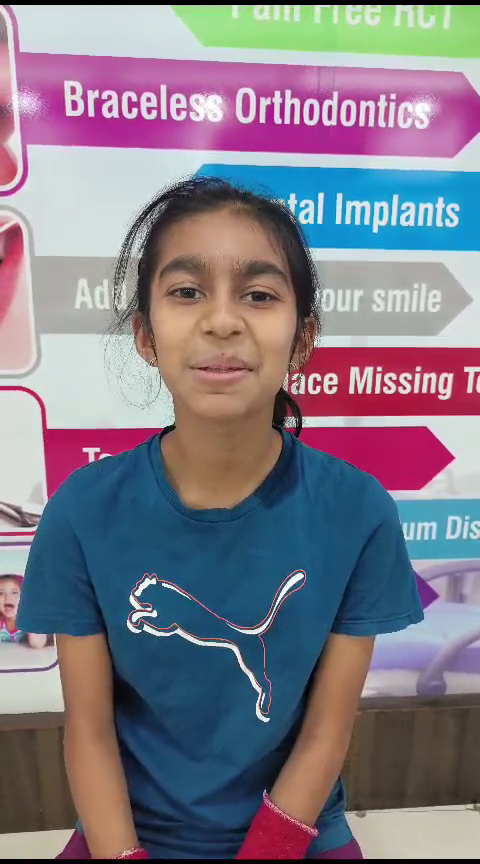
Dr. Vishal and Dr. Mabel are very knowledgeable and best orthodontist team in the town...very great experience..Thank you for my beautiful teeth... I haven’t stopped smiling since I had my braces removed. Thanks again.”

I recently had the privilege of undergoing dental treatment of tooth implantation at Dr. Mable's clinic, and I'm beyond impressed. Not only is Dr. Mable an exceptional dentist, but their clinic is also top-notch. The state-of-the-art facilities and the use of the latest dental technology were evident throughout my entire visit. From digital imaging for precise diagnostics to advanced equipment for the tooth implantation procedure, Dr. Mable's clinic truly embraces cutting-edge technology. I felt confident and well-cared for every step of the way. If you're seeking modern, high-quality dental care, Dr. Mable and their clinic are the perfect choice.

I completed my rct here and it's was almost painless treatment ..and the Doctors behavior ,work is excellent and appointment time always precise.. Thank you the dentalwellness centre and team...

The Dental Wellness Centre provided exceptional care during my dental implant journey. Dr. Mable's professionalism and the clinic's friendly atmosphere made each visit comfortable. Thrilled with the outcome!

I had an excellent experience at this dental clinic in Ahmedabad. Dr. Mable Patel and her team were professional, caring, and made sure my treatment was comfortable and painless. With her expertise, it’s clear why she’s considered one of the top 10 dentists in Ahmedabad. I highly recommend this clinic for anyone seeking trusted and advanced dental care in Ahmedabad.

My experience with dental implants exceeded expectations. Invisalign brilliance, coupled with Dr. Vishal and Dr. Mable's careful approach, resulted in exceptional results. The commitment to excellence is evident throughout.

TDWC's commitment to excellence shines through in their dental implant services. Invisalign treatments, along with the expertise of Dr. Vishal and Dr. Mable, make it a reliable choice for comprehensive dental care.

The Dental Wellness Centre is a true dental oasis! With a focus on Invisalign, dental implants, and digital dentistry, Dr. Vishal and Dr. Mable ensure each visit is a seamless and pleasant experience.

He ventured into Clear Aligners due to his avid interest in Digital Technology and is now a Top Invisalign Provider in Gujarat.
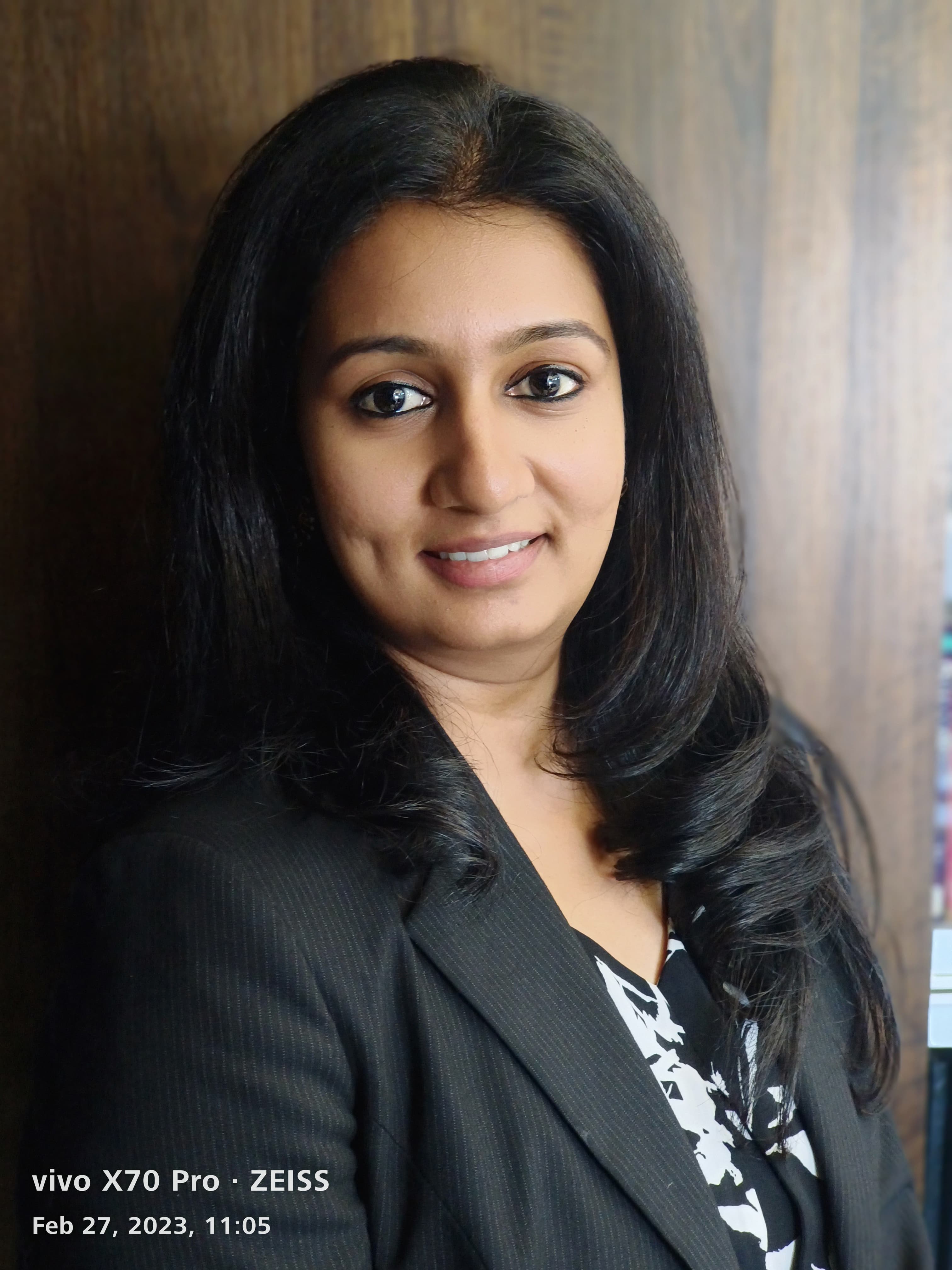
Dr Mable is an Orthodontist with experience of over a decade, she is specialized in the field of Orthodontics (Braces), Invisalign (Clear Aligners) and Dental Implants.
Best Results
Painless Treatment
Result in time