Mon To Sat 10:00 AM to 7:00 PM

When we go to the office every day, we carry on a time-honored tradition of getting to know our clients.
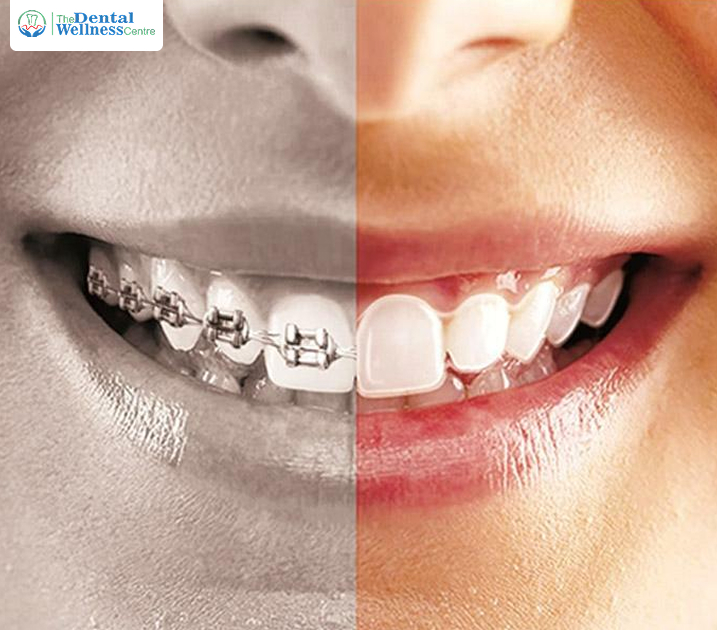
In recent years, the popularity of Clear Teeth Aligners and invisible braces has increased. Whether it is teenagers or working professionals, a larger number of people are using invisible solutions compared to traditional metal braces.
It does not mean that traditional braces are not working well, but new options like Invisalign orthodontic treatment offer a removable and almost invisible way to straighten teeth. These innovations are changing the way people get a perfect smile without compromising on results.
In this blog, we will go through
If you want Invisalign orthodontic treatment or compare it with other clear teeth aligners, you can make a better decision with this post.
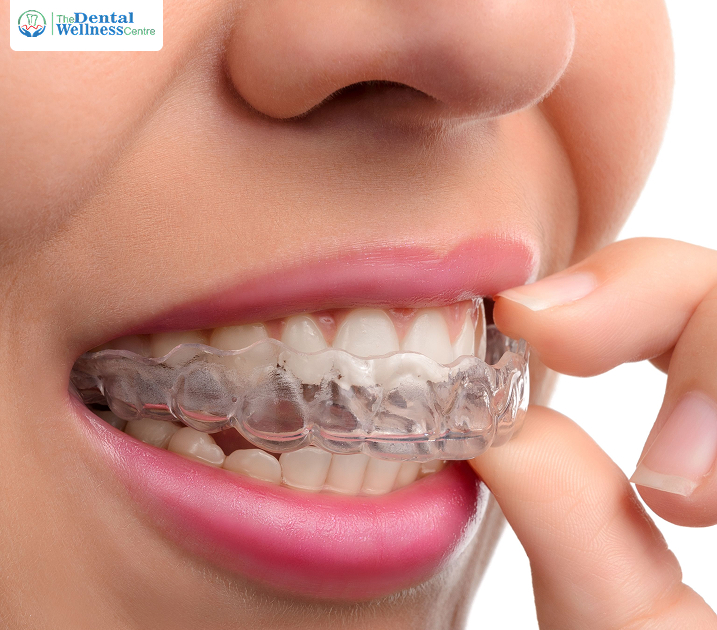
Invisalign is one type of clear teeth aligner that is used in orthodontic treatment to straighten teeth or adjust tooth alignment. It uses customized and removable plastic trays that fit over your teeth and shift them into the right position over time. This process is known as Invisalign orthodontic treatment.
Invisalign aligners are made using advanced 3D imaging and SmartTrack™ thermoplastic material. It offers:
Each aligner is worn for 20-22 hours a day. It gets replaced every 1-2 weeks as your teeth move towards their ideal position.
Please review our detailed guide on What Is Invisalign? A Comprehensive Guide to Clear Aligners
Here is a quick comparison of Aligners vs Braces.
| Feature | Invisalign Aligners | Traditional Braces |
| Visibility | Clear and nearly invisible. It is great for adults and teens who want a discreet look. | Highly visible, as it is made of metal or ceramic brackets. |
| Removability | Yes, for eating and brushing. No food restrictions. | No, fixed to teeth. Restrictions on certain foods. |
| Comfort | Smooth plastic trays with less irritation to cheeks and gums | Wires and brackets may cause soreness or mouth sores |
| Maintenance | Easy to clean aligners and teeth. Maintain oral hygiene. | Need careful brushing around brackets and wires |
| Customization | Custom-made using 3D scans for precise, step-by-step movement | Adjusted manually by the orthodontist during regular visits |
| Best for | Small to medium alignment problems. Best for aesthetic-conscious users | Complex cases like severe crowding, rotated teeth, or bite correction |
| Office Visits | Fewer appointments – aligners are pre-planned and changed at home | Frequent visits are needed for tightening and adjustments |
| Treatment Time | Usually 6-18 months for mild to moderate cases | Usually 1-2 years; better for complex dental issues |
| Discipline Needed | Must wear aligners 20-22 hours/day for best results | No user discipline needed-braces stay on |
| Cost | ₹1-₹3 lakhs in India; may vary based on complexity | ₹40,000–₹1 lakhs in India; Generally covered more by insurance |
You can choose according to your comfort and treatment needs after going through the differences between braces and aligners. When you understand the pros and cons of Braces vs Invisalign, you can make a better decision.
Go through the benefits of Invisalign and compare the Invisalign vs braces cost to identify the option that suits your budget.
Average treatment duration for both.
| Treatment Type | Typical Duration | Notes |
| Invisalign | 12–18 months (as short as 6 months for minor cases) | Requires 20–22 hours/day wear time |
| Braces | 18–24 months (up to 36 months for severe cases) | Works continuously, no user compliance needed |
| Treatment Component | Braces (Metal/Ceramic) | Invisalign (Clear Aligners) |
| Initial Consultation | ₹500–₹2,000 | ₹500–₹2,000 |
| Treatment Cost | ₹40,000–₹1,00,000 (metal/ceramic) | ₹1,00,000–₹3,00,000 (Invisalign) |
| Follow-Up Visits | Included in the total cost | Included in the total cost |
| Duration of Treatment | 18–24 months | 12–18 months |
| Insurance Coverage | More likely to be covered | Less coverage for adults |
| Financing Options | EMI plans available | EMI/payment plans available |

If you are worried about your budget, braces could be the best choice. But if you focus more on comfort rather than budget, Invisalign could be the best choice. You can also have financing options available with Invisalign.
Let The Dental Wellness Center do what suits you best, Your dental needs and budget will help you choose between Invisalign braces and traditional braces.
Braces are better for
Clear teeth aligners like Invisalign offer a clear and flexible experience. It is good for small to medium issues, but it needs consistent wear and may cost more.
Ask yourself:
Still wondering Invisalign vs Braces: Which is Better? Focus on the benefits of Invisalign, compare the Invisalign vs braces cost, and check out Invisalign vs Braces Before and After results to see what is possible.
1. How do clear aligners and Invisalign work?
Ans. Clear aligners like Invisalign are custom, transparent trays that gradually shift teeth by gentle pressure. Worn 20-22 hours daily, they are nearly invisible and removable for eating and hygiene.
2. How long does Invisalign or clear aligner treatment usually take?
Ans. Typical treatment lasts 12 to 18 months, depending on the complexity. Some see results in under a year by progressing through weekly or biweekly aligner changes.
3. Is Invisalign as effective as traditional braces?
Ans. Invisalign is as effective as traditional braces for mild to moderate teeth alignment issues. Complex cases may require braces, but Invisalign offers a discreet, comfortable alternative with similar results when used properly.

Dr. Mable Patel is an experienced Orthodontist and Implantologist at The Dental Wellness Centre in Ahmedabad, known for her gentle approach and excellence in smile design.
25 Sep 2026
Dr. Mable Patel
25 Aug 2026
Dr. Mable Patel
17 Aug 2026
 Dr. Vishal Patel