Mon To Sat 10:00 AM to 7:00 PM

When we go to the office every day, we carry on a time-honored tradition of getting to know our clients.
Dental health plays a crucial role in a child’s overall well-being, and the primary teeth, also known as baby teeth, are just as important as permanent teeth. One essential component in pediatric dentistry is the use of space maintainers, devices designed to maintain the proper alignment of teeth and ensure that the eruption of permanent teeth occurs smoothly. Space maintainers are commonly used when a child loses a primary tooth prematurely due to injury or decay, preventing potential orthodontic issues in the future.
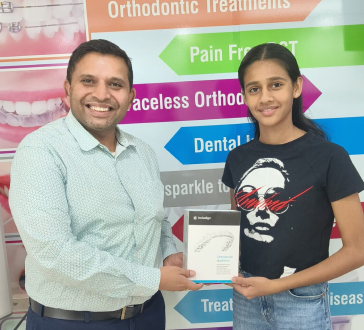
A space maintainer is a dental device used to hold space in a child’s mouth for a permanent tooth that has not yet emerged. When a baby tooth is lost prematurely, the surrounding teeth may begin to drift into the empty space, potentially leading to crowding or misalignment of the permanent teeth. A space maintainer helps prevent this by keeping the space open until the adult tooth is ready to come in.
These devices are most commonly used in Pediatric dentistry at The Dental Wellness Centre to preserve the natural alignment of teeth. They can be made of stainless steel, plastic, or a combination of both materials and are typically custom-fitted by a dentist to ensure comfort and effectiveness.
Baby teeth serve several essential functions in a child’s development:
They allow the child to chew food properly and develop speech patterns.
When a primary tooth is lost prematurely, the neighbouring teeth can shift into the space, disrupting the eruption pattern of the permanent teeth. This can lead to a variety of dental issues, such as:
By using space maintainers, a dentist can help prevent these problems by preserving the alignment of the teeth until the adult teeth are ready to come in.
There are two primary categories of space maintainers: fixed and removable. Each type has its own advantages and is chosen based on the child’s specific dental needs.
Fixed space maintainers are cemented in place by a dentist and cannot be removed by the child. These devices are often used when a child has lost a primary tooth in the back of the mouth, such as a molar, and needs a permanent solution.
Removable space maintainers are less common but are still an option in some cases. As the name suggests, these devices can be taken out by the child for cleaning and maintenance.
A space maintainer is typically recommended when a child loses a primary tooth prematurely. This may occur due to a variety of reasons:
The decision to use a space maintainer is based on several factors, including the child’s age, the location of the lost tooth, the condition of the surrounding teeth, and the expected eruption time for the permanent tooth.
Space maintainers provide several benefits for children and help ensure optimal dental development. Some of the key advantages include:
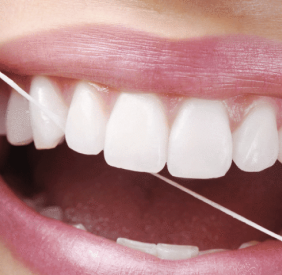
By maintaining proper spacing, space maintainers contribute to the overall health of the child’s teeth and gums, making it easier to clean the teeth and preventing future oral health issues.
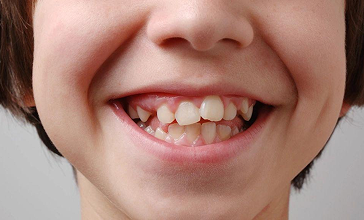
By keeping the space open, a space maintainer prevents adjacent teeth from shifting into the gap, reducing the risk of crowding and misalignment when the permanent teeth emerge.
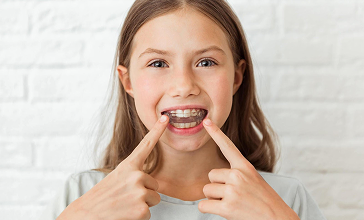
Early intervention with space maintainers can reduce the need for future orthodontic treatment, saving time, effort, and money in the long run.
By ensuring the proper eruption of permanent teeth, space maintainers help preserve the child’s facial appearance and smile.
While space maintainers are generally safe and effective, there are some potential risks and considerations:
Some children may experience mild discomfort or irritation, especially after the device is first placed.
Fixed space maintainers require regular check-ups and can accumulate plaque, which must be cleaned by a dentist. Removable maintainers also require diligent care to prevent damage or infection.
Space maintainers, especially removable ones, can break or become dislodged if not properly cared for. This can lead to a delay in treatment and additional visits to the dentist.
Best Results
Painless Treatment
Result in time