Mon To Sat 10:00 AM to 7:00 PM

When we go to the office every day, we carry on a time-honored tradition of getting to know our clients.
In the ever-evolving field of dentistry, laser technology has emerged as a groundbreaking advancement. Laser dentistry is transforming traditional dental procedures by offering more precise, less invasive, and often pain-free alternatives. From soft tissue surgeries to cavity treatment and teeth whitening, laser dentistry is becoming an integral part of modern dental practice. This essay explores what laser dentistry is, how it works, its benefits, applications, limitations, and its future potential in revolutionizing dental care.
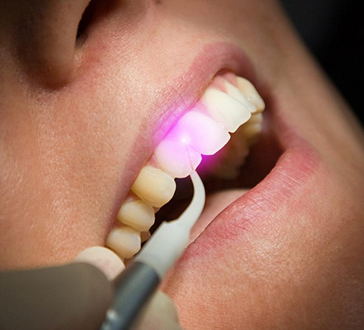
Laser dentistry involves the use of focused light beams (lasers) to perform a variety of dental procedures. "Laser" stands for Light Amplification by Stimulated Emission of Radiation. In dentistry, lasers can be used to remove or shape soft and hard tissue, sterilize areas, seal nerve endings, or activate bleaching agents.
Lasers are categorized based on the type of tissue they target:
Lasers operate by delivering energy in the form of light. Depending on the wavelength and type of tissue, the laser energy is absorbed differently. For example:
Despite its advantages, laser dentistry has certain limitations:
Several types of lasers are used, each suited to specific procedures:
Laser dentistry is safe when proper protocols are followed. Protective eyewear must be worn by both the patient and dental team. The laser machine must be calibrated correctly, and soft tissue lasers must be used with caution to avoid accidental burns.
Most importantly, practitioners must be thoroughly trained and certified to ensure safe application.
As technology advances, laser dentistry is expected to become even more accessible, affordable, and versatile. Future developments may include:
As research continues, laser dentistry is likely to play a pivotal role in preventive, restorative, and cosmetic dental care, improving outcomes and patient satisfaction.
Laser technology is highly versatile in dentistry, used for both therapeutic and cosmetic purposes.
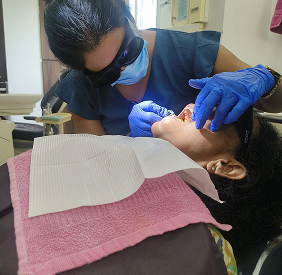
Lasers can detect early signs of tooth decay and remove decay from a tooth without the need for a drill. Laser cavity treatment is less painful and more precise.
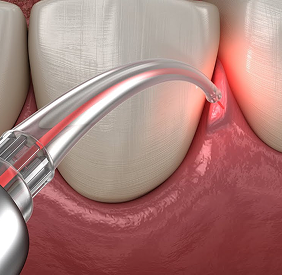
Lasers are used to remove inflamed gum tissue and kill bacteria in periodontal pockets. They also promote healing and tissue regeneration.
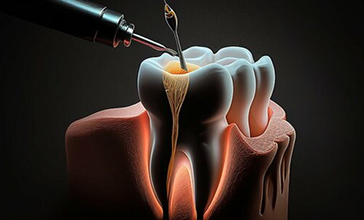
In endodontics, lasers help disinfect root canals and remove infected tissue more effectively than traditional methods.
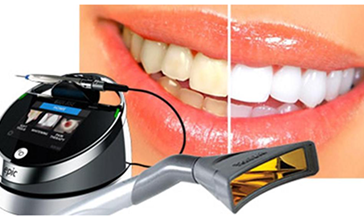
In cosmetic dentistry, lasers are used to activate bleaching agents for faster and more effective teeth whitening.
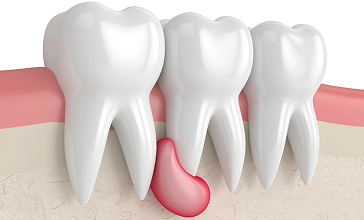
Laser dentistry allows for painless and precise biopsies, as well as the removal of mouth sores, ulcers, and other lesions.
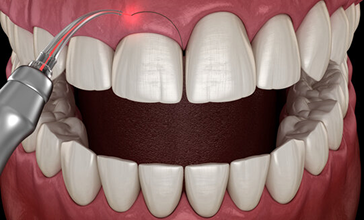
For cosmetic purposes or to prepare a tooth for a crown, lasers can reshape the gums or expose more of the tooth surface.
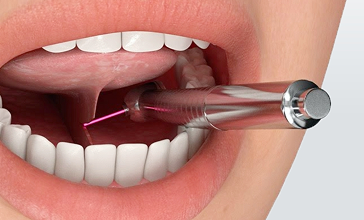
In children and adults with a "tongue-tie" (tight frenulum), laser frenectomy is a fast and virtually painless alternative to traditional surgery.
Laser dentistry offers numerous advantages for both patients and dental professionals:
Lasers can perform precise cuts with minimal damage to surrounding tissues, reducing the need for sutures and promoting faster healing.
Laser procedures often eliminate the need for drills and anesthesia, making them ideal for anxious patients or children.
Because lasers sterilize the area they work on, there's a significantly lower risk of bacterial infection during and after procedures.
The laser’s ability to coagulate blood vessels reduces bleeding and postoperative swelling, especially during gum surgery.
Patients often experience quicker recovery times compared to traditional surgical methods.
Lasers offer better control for dentists, enabling them to preserve more of the healthy tooth structure during treatments.
Laser dentistry represents a significant leap forward in dental care, offering patients a more comfortable, efficient, and effective treatment experience. With applications ranging from cavity treatment to cosmetic enhancements, lasers are reshaping the way dental procedures are performed. While not a universal solution for every dental problem, laser dentistry is undeniably a valuable tool in the hands of trained professionals. As innovations continue, the scope and potential of lasers in dentistry will only expand, making dental visits less intimidating and more beneficial for patients worldwide.

The Dental Wellness Centre is a true dental oasis! With a focus on Invisalign, dental implants, and digital dentistry, Dr. Vishal and Dr. Mable ensure each visit is a seamless and pleasant experience.

My experience with the painless root canal treatment at The Dental Wellness Centre was fantastic. The dentist was gentle and skilled, and I experienced minimal discomfort during and after the procedure. Highly recommend their expertise in endodontics!

The painless root canal treatment I received at The Dental Wellness Centre was a game-changer. The dentist was skilled and attentive, and I experienced minimal discomfort throughout the procedure. Thank you for the excellent care!

Dr. Vishal and Dr. Mabel are very knowledgeable and best orthodontist team in the town...very great experience..Thank you for my beautiful teeth... I haven’t stopped smiling since I had my braces removed. Thanks again.”

I recently had the privilege of undergoing dental treatment of tooth implantation at Dr. Mable's clinic, and I'm beyond impressed. Not only is Dr. Mable an exceptional dentist, but their clinic is also top-notch. The state-of-the-art facilities and the use of the latest dental technology were evident throughout my entire visit. From digital imaging for precise diagnostics to advanced equipment for the tooth implantation procedure, Dr. Mable's clinic truly embraces cutting-edge technology. I felt confident and well-cared for every step of the way. If you're seeking modern, high-quality dental care, Dr. Mable and their clinic are the perfect choice.

I completed my rct here and it's was almost painless treatment ..and the Doctors behavior ,work is excellent and appointment time always precise.. Thank you the dentalwellness centre and team...

The Dental Wellness Centre provided exceptional care during my dental implant journey. Dr. Mable's professionalism and the clinic's friendly atmosphere made each visit comfortable. Thrilled with the outcome!

I had an excellent experience at this dental clinic in Ahmedabad. Dr. Mable Patel and her team were professional, caring, and made sure my treatment was comfortable and painless. With her expertise, it’s clear why she’s considered one of the top 10 dentists in Ahmedabad. I highly recommend this clinic for anyone seeking trusted and advanced dental care in Ahmedabad.

My experience with dental implants exceeded expectations. Invisalign brilliance, coupled with Dr. Vishal and Dr. Mable's careful approach, resulted in exceptional results. The commitment to excellence is evident throughout.

TDWC's commitment to excellence shines through in their dental implant services. Invisalign treatments, along with the expertise of Dr. Vishal and Dr. Mable, make it a reliable choice for comprehensive dental care.

The Dental Wellness Centre is a true dental oasis! With a focus on Invisalign, dental implants, and digital dentistry, Dr. Vishal and Dr. Mable ensure each visit is a seamless and pleasant experience.
Best Results
Painless Treatment
Result in time