Mon To Sat 10:00 AM to 7:00 PM

When we go to the office every day, we carry on a time-honored tradition of getting to know our clients.
Mouth guards and splints play a crucial role in preventive and therapeutic dentistry. Often associated with athletes, mouth guards have a much broader range of uses, including the prevention of dental trauma, treatment of temporomandibular joint disorders (TMD), bruxism (teeth grinding), and aiding in post-operative care. Dental splints, although similar in form, are primarily used for stabilization and treatment of various jaw and bite-related issues. This essay explores the types, functions, indications, benefits, and proper use of mouth guards and splints in both clinical and non-clinical settings.
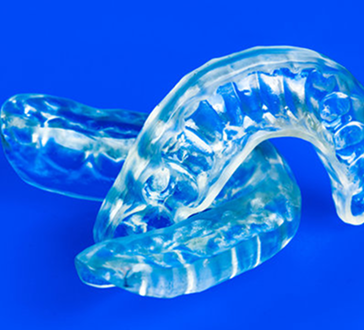
Mouth Guards are protective devices worn over the teeth to prevent injury. They are commonly used in contact sports, but they are also prescribed for individuals who grind their teeth at night (bruxism).
Dental Splints are devices, usually made of acrylic or other durable materials, that stabilize the teeth and jaw. They are used in treating temporomandibular joint disorders, occlusal issues, and to help in the healing process after trauma or surgery.
Despite their differences, both devices serve a protective and therapeutic role, tailored to the specific needs of the patient.
Mouth guards are categorized based on their usage and how they are fabricated:
Splints are generally classified based on their clinical purpose:
Proper maintenance ensures the longevity and effectiveness of mouth guards and splints:
Although generally safe, some issues may arise:
For these reasons, it is important to have a dental professional assess the need and provide proper fitting and instructions.
The field of dental protection has seen several advancements:
These innovations are improving both the performance and patient compliance of dental appliances.
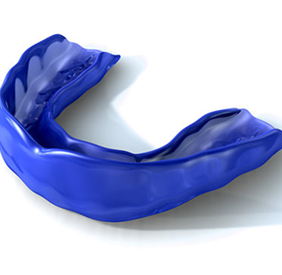
Contact sports like football, boxing, and hockey pose a high risk of dental trauma. Custom-made mouth guards significantly reduce the risk of:
Broken or knocked-out teeth
Soft tissue injuries
Jaw fractures
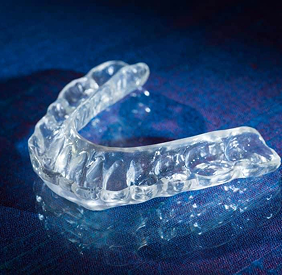
Bruxism can lead to:
Tooth wear and fractures
Gum recession
TMJ pain and headaches
Occlusal splints (night guards) help prevent these complications by creating a protective barrier between the teeth.
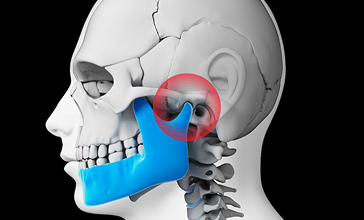
TMD can cause pain, limited jaw movement, and clicking sounds. Stabilization splints help:
Reposition the jaw
Reduce inflammation
Decrease muscle tension
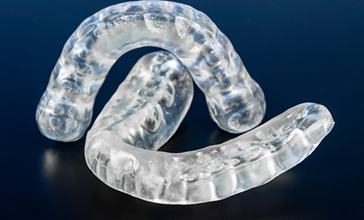
Splints are used after orthodontic treatments to retain teeth in their new position or post-operatively to aid healing after maxillofacial surgeries.
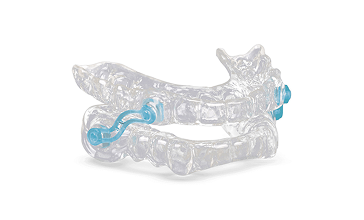
Certain types of mouth guards, known as mandibular advancement devices, reposition the jaw and tongue to open the airway, thereby reducing snoring and mild obstructive sleep apnea.
Especially in athletes or individuals prone to falls or accidents.
Prevents damage from grinding or clenching.
Alleviates symptoms of TMJ disorders and muscle strain.
Especially in people suffering from sleep apnea or bruxism.
Maintains alignment and stability post-trauma or surgery.
Mouth guards and splints are essential tools in modern dentistry, offering protection, relief, and support across a wide range of conditions. From athletes to individuals suffering from TMD or bruxism, these devices play a vital role in preventing dental trauma and promoting oral health. Custom-fitted appliances, when properly used and maintained, provide the best outcomes in terms of comfort and effectiveness. As technology continues to evolve, these devices will become even more advanced, tailored, and accessible—helping more people protect their smiles and relieve dental discomfort in everyday life

The Dental Wellness Centre is a true dental oasis! With a focus on Invisalign, dental implants, and digital dentistry, Dr. Vishal and Dr. Mable ensure each visit is a seamless and pleasant experience.

My experience with the painless root canal treatment at The Dental Wellness Centre was fantastic. The dentist was gentle and skilled, and I experienced minimal discomfort during and after the procedure. Highly recommend their expertise in endodontics!

The painless root canal treatment I received at The Dental Wellness Centre was a game-changer. The dentist was skilled and attentive, and I experienced minimal discomfort throughout the procedure. Thank you for the excellent care!

Dr. Vishal and Dr. Mabel are very knowledgeable and best orthodontist team in the town...very great experience..Thank you for my beautiful teeth... I haven’t stopped smiling since I had my braces removed. Thanks again.”

I recently had the privilege of undergoing dental treatment of tooth implantation at Dr. Mable's clinic, and I'm beyond impressed. Not only is Dr. Mable an exceptional dentist, but their clinic is also top-notch. The state-of-the-art facilities and the use of the latest dental technology were evident throughout my entire visit. From digital imaging for precise diagnostics to advanced equipment for the tooth implantation procedure, Dr. Mable's clinic truly embraces cutting-edge technology. I felt confident and well-cared for every step of the way. If you're seeking modern, high-quality dental care, Dr. Mable and their clinic are the perfect choice.

I completed my rct here and it's was almost painless treatment ..and the Doctors behavior ,work is excellent and appointment time always precise.. Thank you the dentalwellness centre and team...

The Dental Wellness Centre provided exceptional care during my dental implant journey. Dr. Mable's professionalism and the clinic's friendly atmosphere made each visit comfortable. Thrilled with the outcome!

I had an excellent experience at this dental clinic in Ahmedabad. Dr. Mable Patel and her team were professional, caring, and made sure my treatment was comfortable and painless. With her expertise, it’s clear why she’s considered one of the top 10 dentists in Ahmedabad. I highly recommend this clinic for anyone seeking trusted and advanced dental care in Ahmedabad.

My experience with dental implants exceeded expectations. Invisalign brilliance, coupled with Dr. Vishal and Dr. Mable's careful approach, resulted in exceptional results. The commitment to excellence is evident throughout.

TDWC's commitment to excellence shines through in their dental implant services. Invisalign treatments, along with the expertise of Dr. Vishal and Dr. Mable, make it a reliable choice for comprehensive dental care.

The Dental Wellness Centre is a true dental oasis! With a focus on Invisalign, dental implants, and digital dentistry, Dr. Vishal and Dr. Mable ensure each visit is a seamless and pleasant experience.
Best Results
Painless Treatment
Result in time