Mon To Sat 10:00 AM to 7:00 PM

When we go to the office every day, we carry on a time-honored tradition of getting to know our clients.
Obstructive Sleep Apnea (OSA) is a serious, yet often overlooked, sleep disorder that affects millions of people worldwide. Characterized by repeated interruptions in breathing during sleep, OSA can lead to poor sleep quality and a host of other health issues. Despite being common, it often goes undiagnosed, as its symptoms primarily occur during sleep. Understanding the causes, symptoms, diagnosis, and treatment of OSA is crucial, as untreated cases can significantly impact both physical and mental well-being.
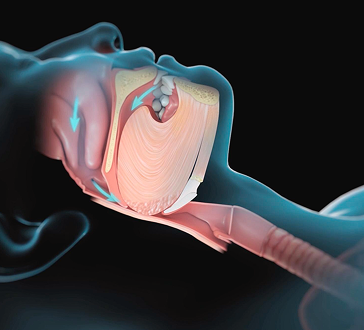
Obstructive Sleep Apnea is a condition where the airway becomes partially or completely blocked during sleep, causing breathing to stop and start repeatedly. The term “obstructive” refers to the physical blockage of the airway, usually when the soft tissues in the back of the throat collapse and close during sleep. When the brain senses a lack of oxygen, it briefly wakes the person up to reopen the airway. These arousals are usually so short that the person doesn’t remember them, but they disrupt the sleep cycle.
This essay focuses primarily on OSA, which is most frequently encountered in clinical practice.
The main cause of OSA is airway obstruction, but several factors increase the risk:
The symptoms of obstructive sleep apnea can vary but generally revolve around poor-quality sleep and oxygen deprivation:
OSA is more than just a nuisance that causes fatigue; it’s a serious medical condition with potentially life-threatening complications:
With proper treatment, most people with OSA can live normal, healthy lives. However, untreated OSA can significantly shorten life expectancy and increase the risk of numerous health complications. Compliance with treatment—especially CPAP—and regular follow-ups with a sleep specialist are essential for managing the condition effectively.
Diagnosing OSA typically involves a combination of clinical evaluation and sleep studies.
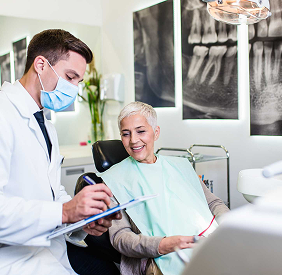
Exam A doctor will assess symptoms and risk factors, such as snoring, tiredness, and neck circumference.
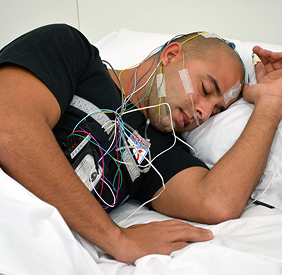
Polysomnography (PSG): A comprehensive overnight study conducted in a sleep lab. It measures brain waves, oxygen levels, heart rate, breathing patterns, and limb movements.
OSA treatment varies based on the severity of the condition and the patient’s preferences. The goals are to open the airway during sleep and reduce symptoms.
Weight Loss: Even a small reduction in weight can improve symptoms.
Exercise: Regular physical activity can strengthen muscles and improve breathing.
Avoid Alcohol and Sedatives: These relax throat muscles.
Sleep Positioning: Sleeping on one’s side may help keep the airway open.
CPAP is the gold standard for treating moderate to severe OSA. It delivers air pressure through a mask to keep the airway open. Benefits: Improves sleep quality
Reduces daytime fatigue
Lowers blood pressure
Reduces cardiovascular risks
Challenges:
Some users experience discomfort or claustrophobia
Proper mask fitting and adjustment are crucial
CPAP is the gold standard for treating moderate to severe OSA. It delivers air pressure through a mask to keep the airway open.
Benefits: Improves sleep quality
Reduces daytime fatigue
Lowers blood pressure
Reduces cardiovascular risks
Challenges:
Some users experience discomfort or claustrophobia
Proper mask fitting and adjustment are crucial
In certain cases, surgery may be recommended: Uvulopalatopharyngoplasty (UPPP): Removes tissue from the throat.
Tonsillectomy: Particularly effective in children.
Maxillomandibular advancement: Moves the jaw forward to open the airway.
Inspire Therapy: An implantable device that stimulates airway muscles during sleep
Obstructive Sleep Apnea is a common but serious disorder that affects both sleep quality and overall health. Often unnoticed by those who suffer from it, OSA can have wide-ranging effects from fatigue and cognitive impairment to severe cardiovascular complications. The good news is that it is highly treatable. Through lifestyle changes, medical devices, or surgical intervention, patients can regain restful sleep and prevent further health deterioration. Raising awareness and encouraging diagnosis are critical steps toward helping those affected live healthier, more energized lives.

The Dental Wellness Centre is a true dental oasis! With a focus on Invisalign, dental implants, and digital dentistry, Dr. Vishal and Dr. Mable ensure each visit is a seamless and pleasant experience.

My experience with the painless root canal treatment at The Dental Wellness Centre was fantastic. The dentist was gentle and skilled, and I experienced minimal discomfort during and after the procedure. Highly recommend their expertise in endodontics!

The painless root canal treatment I received at The Dental Wellness Centre was a game-changer. The dentist was skilled and attentive, and I experienced minimal discomfort throughout the procedure. Thank you for the excellent care!

Dr. Vishal and Dr. Mabel are very knowledgeable and best orthodontist team in the town...very great experience..Thank you for my beautiful teeth... I haven’t stopped smiling since I had my braces removed. Thanks again.”

I recently had the privilege of undergoing dental treatment of tooth implantation at Dr. Mable's clinic, and I'm beyond impressed. Not only is Dr. Mable an exceptional dentist, but their clinic is also top-notch. The state-of-the-art facilities and the use of the latest dental technology were evident throughout my entire visit. From digital imaging for precise diagnostics to advanced equipment for the tooth implantation procedure, Dr. Mable's clinic truly embraces cutting-edge technology. I felt confident and well-cared for every step of the way. If you're seeking modern, high-quality dental care, Dr. Mable and their clinic are the perfect choice.

I completed my rct here and it's was almost painless treatment ..and the Doctors behavior ,work is excellent and appointment time always precise.. Thank you the dentalwellness centre and team...

The Dental Wellness Centre provided exceptional care during my dental implant journey. Dr. Mable's professionalism and the clinic's friendly atmosphere made each visit comfortable. Thrilled with the outcome!

I had an excellent experience at this dental clinic in Ahmedabad. Dr. Mable Patel and her team were professional, caring, and made sure my treatment was comfortable and painless. With her expertise, it’s clear why she’s considered one of the top 10 dentists in Ahmedabad. I highly recommend this clinic for anyone seeking trusted and advanced dental care in Ahmedabad.

My experience with dental implants exceeded expectations. Invisalign brilliance, coupled with Dr. Vishal and Dr. Mable's careful approach, resulted in exceptional results. The commitment to excellence is evident throughout.

TDWC's commitment to excellence shines through in their dental implant services. Invisalign treatments, along with the expertise of Dr. Vishal and Dr. Mable, make it a reliable choice for comprehensive dental care.

The Dental Wellness Centre is a true dental oasis! With a focus on Invisalign, dental implants, and digital dentistry, Dr. Vishal and Dr. Mable ensure each visit is a seamless and pleasant experience.
Best Results
Painless Treatment
Result in time