Mon To Sat 10:00 AM to 7:00 PM

When we go to the office every day, we carry on a time-honored tradition of getting to know our clients.
A confident smile can greatly influence personal appearance and self-esteem. However, some individuals feel self-conscious about what is known as a “gummy smile”—a condition where an excessive amount of gum tissue is visible when smiling. Although a gummy smile is usually not a medical concern, it can significantly affect a person’s self-image and willingness to smile. Thankfully, modern dental and cosmetic treatments offer a variety of options to correct gummy smiles effectively. This essay explores the causes, assessment, and various treatment methods for gummy smile correction, as well as the benefits and considerations involved in undergoing such procedures.
A gummy smile, medically referred to as excessive gingival display, occurs when more than 3-4 millimeters of gum tissue is visible above the upper teeth while smiling. This can make the teeth appear shorter and disproportionate, even if the teeth themselves are of normal length.
The condition affects both men and women but is often more commonly noticed in females due to differences in lip movement and esthetic expectations. While the definition of a gummy smile is partly subjective, the social and psychological effects are very real for those affected.
A gummy smile can result from various anatomical or developmental factors:
1. Excessive Gum Tissue (Gingival Hypertrophy)
2. Short or Worn Teeth
3. Excessive Upper Jawbone Growth (Vertical Maxillary Excess)
4. Hyperactive Upper Lip
5. Improper Tooth Eruption
Understanding the cause is essential for determining the most appropriate treatment plan.
A thorough clinical examination is essential for diagnosing the cause of a gummy smile. The dentist or specialist may assess:
In some cases, X-rays or 3D imaging may be used to evaluate the jawbone and tooth structure in more detail.
Gummy smile correction varies based on the underlying cause. Treatments may be non-invasive, minimally invasive, or surgical.
For mild cases caused by excess gum tissue, laser gum contouring is a common and effective option. The dentist uses a soft tissue laser to precisely remove the extra gum tissue and reshape the gum line to expose more of the tooth structure.
When the teeth appear short due to excess gum and bone coverage, crown lengthening may be necessary. This involves removing both gum tissue and some underlying bone to expose more of the natural tooth.
If the gummy smile is related to tooth positioning or jaw alignment, braces or clear aligners may help correct it. Orthodontic treatment can move teeth into better alignment and reduce the appearance of excessive gum display.
In more complex cases, orthognathic surgery (jaw surgery) may be required in combination with orthodontics to correct vertical maxillary excess.
For patients with a hyperactive upper lip, lip repositioning surgery is a minimally invasive option. This procedure lowers the upper lip’s resting position to cover more of the gums when smiling.
For temporary relief, especially in cases of a hyperactive lip, Botox (botulinum toxin) injections can be used. Botox relaxes the muscles of the upper lip, limiting its movement and reducing gum exposure.
The ideal treatment depends on factors such as the cause, severity, patient preference, and budget. A multidisciplinary approach involving general dentists, periodontists, orthodontists, or oral surgeons may be required to achieve the best results.
Patient education is crucial. Dentists must explain the procedure, expected outcomes, recovery process, and any risks involved. Aesthetic expectations should be managed carefully to ensure satisfaction.
Like any dental or surgical procedure, gummy smile correction carries some risks:
Choosing an experienced dental professional and following proper aftercare can minimize these risks.
Correcting a gummy smile can have a profound impact on both physical appearance and emotional well-being:

Balanced proportions between the teeth, lips, and gums result in a more harmonious and attractive smile.
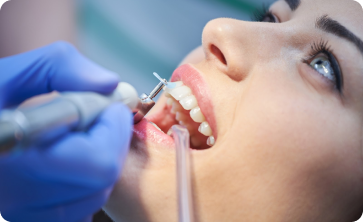
Patients often feel more confident in social and professional interactions after treatment.
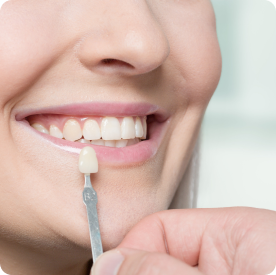
Removing excess gum tissue can make brushing and flossing easier, reducing the risk of gum disease.
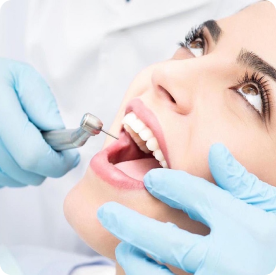
Most correction procedures offer permanent or long-term improvements.
A gummy smile may seem like a minor cosmetic concern, but its impact on self-esteem can be significant. Fortunately, modern dentistry offers a wide range of safe and effective solutions to correct excessive gum display. From simple laser treatments to advanced surgical procedures, patients now have access to personalized treatment plans that meet both their aesthetic goals and clinical needs. With the right approach and professional guidance, a confident, balanced smile is well within reach—helping individuals not just look better, but feel better too

The Dental Wellness Centre is a true dental oasis! With a focus on Invisalign, dental implants, and digital dentistry, Dr. Vishal and Dr. Mable ensure each visit is a seamless and pleasant experience.

My experience with the painless root canal treatment at The Dental Wellness Centre was fantastic. The dentist was gentle and skilled, and I experienced minimal discomfort during and after the procedure. Highly recommend their expertise in endodontics!

The painless root canal treatment I received at The Dental Wellness Centre was a game-changer. The dentist was skilled and attentive, and I experienced minimal discomfort throughout the procedure. Thank you for the excellent care!

Dr. Vishal and Dr. Mabel are very knowledgeable and best orthodontist team in the town...very great experience..Thank you for my beautiful teeth... I haven’t stopped smiling since I had my braces removed. Thanks again.”

I recently had the privilege of undergoing dental treatment of tooth implantation at Dr. Mable's clinic, and I'm beyond impressed. Not only is Dr. Mable an exceptional dentist, but their clinic is also top-notch. The state-of-the-art facilities and the use of the latest dental technology were evident throughout my entire visit. From digital imaging for precise diagnostics to advanced equipment for the tooth implantation procedure, Dr. Mable's clinic truly embraces cutting-edge technology. I felt confident and well-cared for every step of the way. If you're seeking modern, high-quality dental care, Dr. Mable and their clinic are the perfect choice.

I completed my rct here and it's was almost painless treatment ..and the Doctors behavior ,work is excellent and appointment time always precise.. Thank you the dentalwellness centre and team...

The Dental Wellness Centre provided exceptional care during my dental implant journey. Dr. Mable's professionalism and the clinic's friendly atmosphere made each visit comfortable. Thrilled with the outcome!

I had an excellent experience at this dental clinic in Ahmedabad. Dr. Mable Patel and her team were professional, caring, and made sure my treatment was comfortable and painless. With her expertise, it’s clear why she’s considered one of the top 10 dentists in Ahmedabad. I highly recommend this clinic for anyone seeking trusted and advanced dental care in Ahmedabad.

My experience with dental implants exceeded expectations. Invisalign brilliance, coupled with Dr. Vishal and Dr. Mable's careful approach, resulted in exceptional results. The commitment to excellence is evident throughout.

TDWC's commitment to excellence shines through in their dental implant services. Invisalign treatments, along with the expertise of Dr. Vishal and Dr. Mable, make it a reliable choice for comprehensive dental care.

The Dental Wellness Centre is a true dental oasis! With a focus on Invisalign, dental implants, and digital dentistry, Dr. Vishal and Dr. Mable ensure each visit is a seamless and pleasant experience.
Best Results
Painless Treatment
Result in time