Mon To Sat 10:00 AM to 7:00 PM

When we go to the office every day, we carry on a time-honored tradition of getting to know our clients.
Porcelain veneers are thin, tooth-colored shells made of medical-grade ceramic. They are bonded to the front surfaces of the teeth to improve their color, shape, size, or length. Veneers are custom-designed to blend seamlessly with the surrounding teeth, mimicking the translucency and luster of natural enamel. Unlike composite resin veneers, which can be applied directly and sculpted chairside, porcelain veneers are fabricated in a dental lab after a precise mold is taken.
Originally introduced in the 1920s for film actors, veneers have evolved into a reliable long-term cosmetic solution for people seeking a flawless smile.
Porcelain veneers are used to address a variety of cosmetic dental concerns, including:
Discolored teeth that do not respond to whitening treatments (e.g., tetracycline stains, fluorosis)
While primarily cosmetic, veneers can also contribute to oral function by improving bite alignment in certain cases.
While porcelain veneers are highly effective, they are not suitable for everyone and do carry some risks:
To maximize the lifespan of veneers, patients should:
Although porcelain is stain-resistant, the surrounding natural teeth can still discolor, so overall oral care is essential.
While veneers are highly effective, patients may also consider other treatments based on their needs:
The choice depends on the individual case, budget, and long-term goals.
As dental technology continues to evolve, the future of veneers looks promising:
With increasing demand for aesthetic treatments, veneers are likely to remain a cornerstone of cosmetic dentistry.
Porcelain veneers represent a powerful blend of art and science in modern dentistry. They provide an effective and elegant solution for improving the appearance of teeth and boosting self-confidence. While the procedure involves careful planning and commitment, the long-lasting aesthetic benefits often make it a worthwhile investment. As technology continues to refine the process, porcelain veneers will remain a top choice for those seeking a radiant, flawless smile
The process of getting porcelain veneers typically involves several steps:
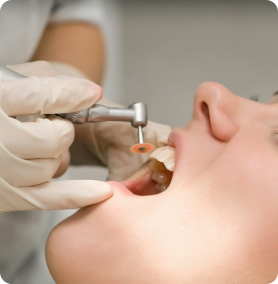
During the initial visit, the dentist evaluates the patient’s oral health, discusses aesthetic goals, and determines if veneers are appropriate. Digital imaging, X-rays, and impressions may be taken.
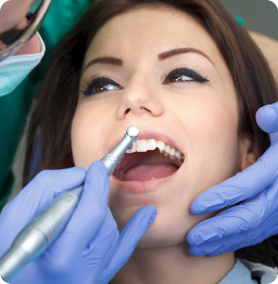
A small amount of enamel (usually 0.3–0.7 mm) is removed from the front surface of the teeth to make space for the veneers. This step is crucial to ensure a natural fit and avoid bulky results.
An impression is taken of the prepared teeth and sent to a dental lab for veneer fabrication. Temporary veneers may be placed to protect the teeth and give the patient a preview of the final look.
Once the custom veneers are ready, they are tried in and adjusted for color and fit. The teeth are then cleaned, etched, and a special adhesive is applied. The veneers are bonded using a curing light to harden the cement. Final adjustments are made to ensure comfort and functionality.
Porcelain veneers offer numerous advantages, making them a popular choice among patients and dentists alike:
Porcelain mimics the light-reflecting properties of natural enamel, resulting in a lifelike appearance. Veneers can dramatically enhance a smile while preserving a natural look.
Porcelain is non-porous and resistant to common staining agents like coffee, tea, and tobacco. This helps veneers maintain their color over time.
With proper care, porcelain veneers can last 10 to 15 years or longer. They are strong enough to withstand normal biting and chewing forces.
Compared to crowns, veneers require less removal of tooth structure, making them a more conservative option for smile enhancement.
Each veneer is individually crafted to match the patient’s facial features, gum line, and desired smile design.
Best Results
Painless Treatment
Result in time