Mon To Sat 10:00 AM to 7:00 PM

When we go to the office every day, we carry on a time-honored tradition of getting to know our clients.
A bright, white smile is often associated with youth, confidence, and good health. In today’s image-conscious society, teeth whitening has become one of the most popular cosmetic dental procedures across the globe. Whether done professionally or with over-the-counter products, whitening treatments can significantly enhance a person’s appearance.
This essay explores the science, methods, benefits, potential risks, and evolving trends in teeth whitening, offering a comprehensive understanding of this widely sought-after cosmetic solution.
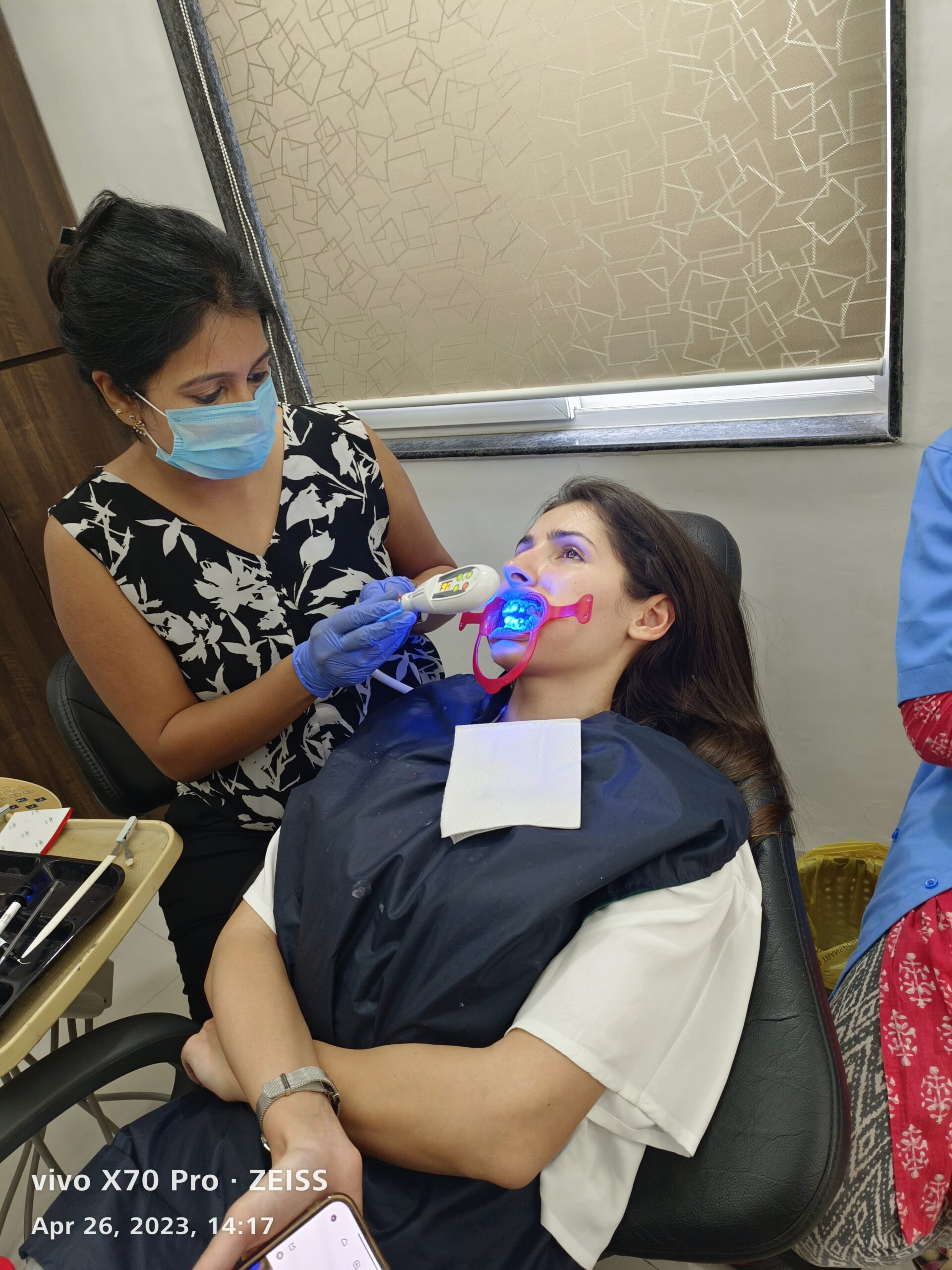
To understand teeth whitening, it’s important to first understand why teeth become discolored. Tooth discoloration can be extrinsic (affecting the outer surface) or intrinsic (within the tooth structure).
Extrinsic Stains: These are surface stains caused by lifestyle habits such as:
These occur deeper within the tooth and may be caused by:
Because intrinsic stains are more resistant, they often require professional treatment for noticeable improvement.
The active ingredients in most whitening products are hydrogen peroxide or carbamide peroxide. These chemicals penetrate the enamel and break down stains through oxidation, effectively lightening the tooth color.
When peroxide is applied to the teeth:
The concentration of peroxide determines the strength and speed of whitening, with higher concentrations used in professional settings.
There are several methods available, ranging from simple at-home solutions to advanced in-office treatments.
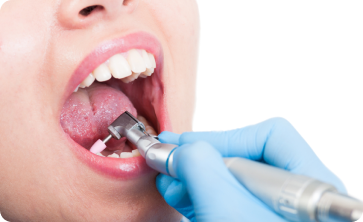
Also known as professional teeth whitening, this procedure is performed by a dentist using high-concentration peroxide gels. Often, a light or laser is used to activate the whitening agent and accelerate the process. The results are immediate and noticeable, often lightening teeth by several shades in a single visit.
Dentists can provide custom-fitted trays and lower-concentration whitening gels for home use. The patient wears the trays for a specified period daily over a week or more.
They contain lower concentrations of peroxide and are available without a prescription.
However, these products are less effective on deep or intrinsic stains and may not fit securely, potentially causing uneven whitening or gum irritation.
Teeth whitening is suitable for most adults with healthy teeth and gums. However, it may not be effective or appropriate for:
To maintain results after whitening, individuals should:
The field of teeth whitening is continuously evolving with new technologies and safer formulas:
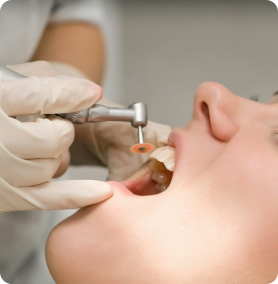
A whiter smile can make a person look healthier, younger, and more attractive. This boost in appearance often translates to increased confidence in social and professional settings.
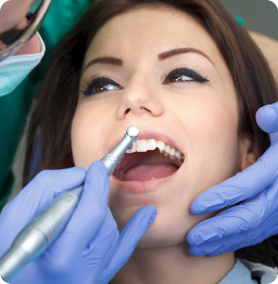
People who invest in whitening often become more diligent with oral hygiene to maintain their results.
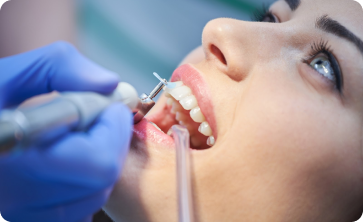
Unlike many cosmetic dental procedures, whitening is non-invasive, relatively affordable, and delivers quick results.
Since whitening doesn’t permanently alter the structure of teeth, it can be repeated safely as needed.
While teeth whitening is generally safe when used correctly, there are some potential side effects:
One of the most common issues, sensitivity occurs when peroxide penetrates the enamel and irritates the nerve. It’s usually temporary and can be minimized with desensitizing toothpaste.
Improper application or contact with whitening agents can cause irritation or even chemical burns to the soft tissues.
Fillings, crowns, or veneers do not respond to whitening agents, which can lead to uneven color.
Some people become obsessed with whitening, overusing products and potentially damaging their enamel. It’s important to follow guidelines and consult with a dentist before starting or repeating whitening treatments.
Teeth whitening is a powerful and popular cosmetic dental procedure that can dramatically improve a person’s smile and self-esteem. With various options ranging from professional in-office treatments to convenient at-home products, there is a solution for nearly every lifestyle and budget. While generally safe, it is important to approach whitening with care, ensuring proper technique and seeking dental guidance when necessary. As technology and research continue to advance, the future of teeth whitening promises even more effective, comfortable, and lasting results helping people smile brighter, one tooth at a time

The Dental Wellness Centre is a true dental oasis! With a focus on Invisalign, dental implants, and digital dentistry, Dr. Vishal and Dr. Mable ensure each visit is a seamless and pleasant experience.

My experience with the painless root canal treatment at The Dental Wellness Centre was fantastic. The dentist was gentle and skilled, and I experienced minimal discomfort during and after the procedure. Highly recommend their expertise in endodontics!

The painless root canal treatment I received at The Dental Wellness Centre was a game-changer. The dentist was skilled and attentive, and I experienced minimal discomfort throughout the procedure. Thank you for the excellent care!

Dr. Vishal and Dr. Mabel are very knowledgeable and best orthodontist team in the town...very great experience..Thank you for my beautiful teeth... I haven’t stopped smiling since I had my braces removed. Thanks again.”

I recently had the privilege of undergoing dental treatment of tooth implantation at Dr. Mable's clinic, and I'm beyond impressed. Not only is Dr. Mable an exceptional dentist, but their clinic is also top-notch. The state-of-the-art facilities and the use of the latest dental technology were evident throughout my entire visit. From digital imaging for precise diagnostics to advanced equipment for the tooth implantation procedure, Dr. Mable's clinic truly embraces cutting-edge technology. I felt confident and well-cared for every step of the way. If you're seeking modern, high-quality dental care, Dr. Mable and their clinic are the perfect choice.

I completed my rct here and it's was almost painless treatment ..and the Doctors behavior ,work is excellent and appointment time always precise.. Thank you the dentalwellness centre and team...

The Dental Wellness Centre provided exceptional care during my dental implant journey. Dr. Mable's professionalism and the clinic's friendly atmosphere made each visit comfortable. Thrilled with the outcome!

I had an excellent experience at this dental clinic in Ahmedabad. Dr. Mable Patel and her team were professional, caring, and made sure my treatment was comfortable and painless. With her expertise, it’s clear why she’s considered one of the top 10 dentists in Ahmedabad. I highly recommend this clinic for anyone seeking trusted and advanced dental care in Ahmedabad.

My experience with dental implants exceeded expectations. Invisalign brilliance, coupled with Dr. Vishal and Dr. Mable's careful approach, resulted in exceptional results. The commitment to excellence is evident throughout.

TDWC's commitment to excellence shines through in their dental implant services. Invisalign treatments, along with the expertise of Dr. Vishal and Dr. Mable, make it a reliable choice for comprehensive dental care.

The Dental Wellness Centre is a true dental oasis! With a focus on Invisalign, dental implants, and digital dentistry, Dr. Vishal and Dr. Mable ensure each visit is a seamless and pleasant experience.
Best Results
Painless Treatment
Result in time