Mon To Sat 10:00 AM to 7:00 PM

When we go to the office every day, we carry on a time-honored tradition of getting to know our clients.
Dental restorations are crucial for maintaining oral health, especially when treating cavities and tooth damage. Among the various materials available for dental fillings, tooth-coloured fillings have gained popularity due to their natural appearance and strong performance. Also known as composite resin fillings, these restorations are designed to match the color of natural teeth, making them an excellent choice for patients seeking both functionality and aesthetics.
This essay explores the types, benefits, procedure, materials, longevity, and considerations related to tooth-coloured fillings, while highlighting their growing importance in modern dentistry.
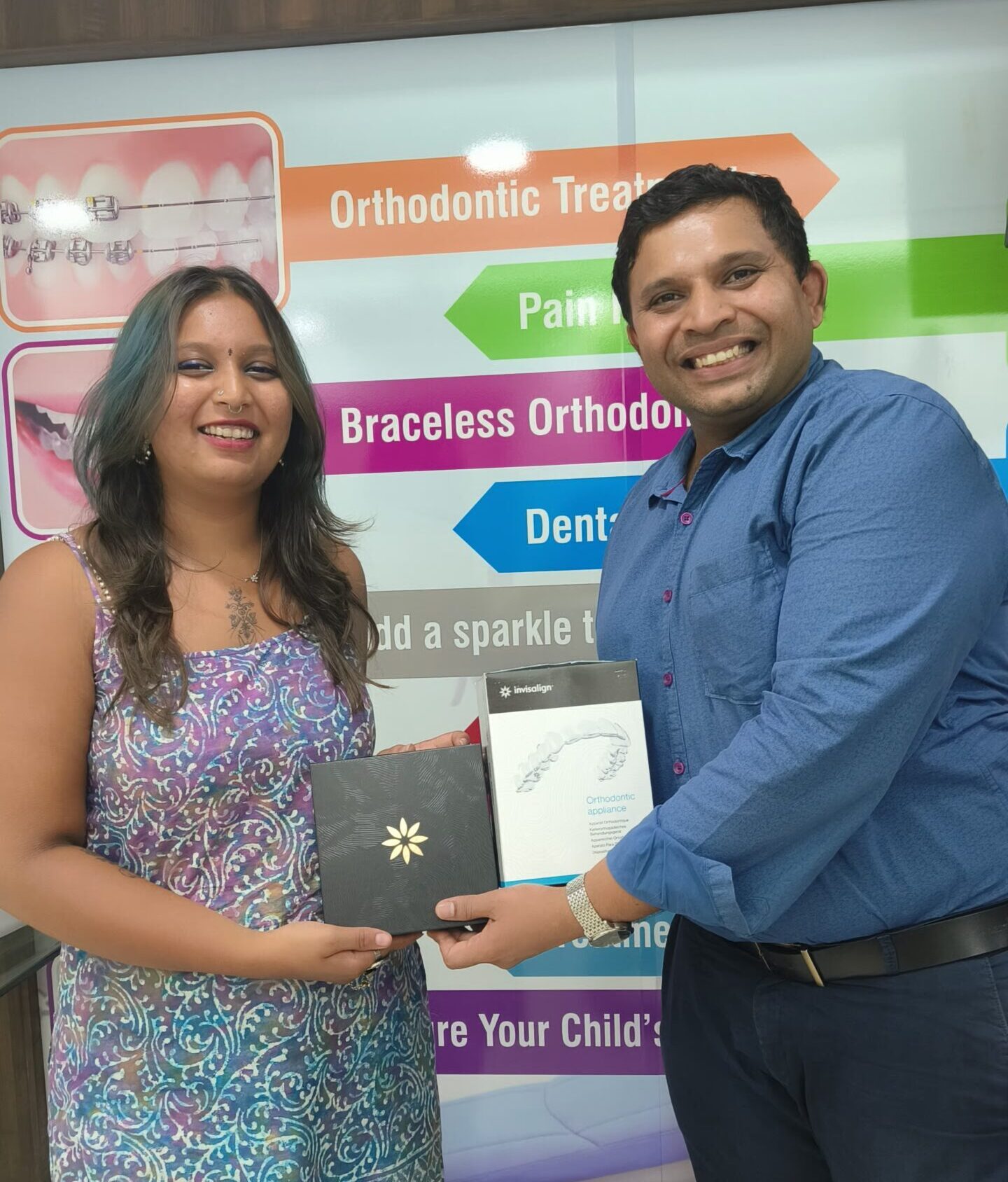
Tooth-coloured fillings are dental restorations made from composite resin, a mixture of plastic and fine glass particles. Unlike traditional silver (amalgam) fillings, composite fillings blend seamlessly with the natural color of the tooth, making them virtually invisible.
Initially introduced for front teeth due to their cosmetic appeal, advances in material strength and durability have made tooth-coloured fillings suitable for posterior (back) teeth as well. They are now widely used to restore decayed teeth, repair chipped or broken teeth, close gaps, and even reshape teeth for cosmetic purposes.
Several materials can be used for aesthetic restorations, including:
1. Composite Resin
2. Glass Ionomer Cement (GIC)
3. Resin-Modified Glass Ionomer (RMGI)
4. Ceramic Fillings (Porcelain)
1. Durability
2. Technique-Sensitive
3. Cost
4. Staining Over Time
5. Time-Consuming
With proper care, tooth-coloured fillings can last between 5 to 10 years or longer. Their lifespan depends on several factors:
Patients can prolong the life of their fillings by:
Tooth-coloured fillings are suitable in the following scenarios:
However, for extremely large cavities or structurally compromised teeth, the dentist may recommend alternatives such as inlays, onlays, or crowns.
Advances in dental material science continue to improve the strength, durability, and aesthetics of tooth-coloured fillings. Newer materials such as nanocomposites and bulk-fill composites allow for faster application and better wear resistance. In addition, digital dentistry and CAD/CAM technology are enhancing precision in placing and shaping restorations.
Minimally invasive dentistry, which focuses on preserving natural tooth structure, further supports the growing preference for tooth-coloured restorations. These trends underline the shift towards treatments that are both health-conscious and visually appealing.
The process of placing a composite filling is precise and technique-sensitive. The steps include:
The dentist examines the tooth, often using X-rays, to assess the extent of decay or damage.
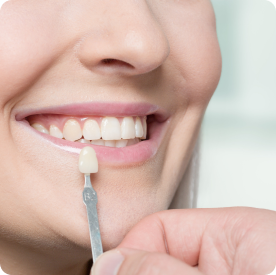
Local Aesthesia is administered to numb the area and ensure patient comfort.

The decayed or damaged portion of the tooth is carefully removed using dental instruments.

The cavity is shaped to hold the filling securely. A bonding agent is applied to enhance adhesion.
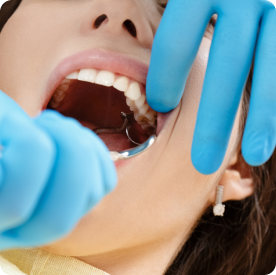
The composite resin is placed in layers, with each layer being cured using a special blue light.

After the final layer is cured, the filling is shaped to match the natural contours of the tooth and polished for a smooth finish.
The most notable benefit is their ability to blend with natural teeth. This is especially important for visible teeth, enhancing the patient’s smile and confidence.
Composite fillings require less removal of healthy tooth structure compared to amalgam, preserving more of the natural tooth.
The material bonds directly to the tooth, providing additional support and reducing the risk of fractures.
Composite resins can be used for various dental procedures, including repairing chips, cracks, and wear.
Unlike amalgam fillings, composites are mercury-free, making them a more biocompatible and environmentally friendly option.
Composite fillings harden immediately under the curing light, allowing patients to resume normal activities soon after the procedure.
Tooth-coloured fillings represent a significant advancement in restorative dentistry, offering a combination of aesthetics, functionality, and biocompatibility. They have become the go-to choice for patients who value natural-looking results without compromising on durability. While not without limitations, their benefits far outweigh the drawbacks in most cases, especially for small to medium-sized restorations. With continual improvements in dental materials and techniques, tooth-coloured fillings will likely remain at the forefront of modern dentistry, empowering individuals to restore their teeth while maintaining their smile’s beauty

The Dental Wellness Centre is a true dental oasis! With a focus on Invisalign, dental implants, and digital dentistry, Dr. Vishal and Dr. Mable ensure each visit is a seamless and pleasant experience.

My experience with the painless root canal treatment at The Dental Wellness Centre was fantastic. The dentist was gentle and skilled, and I experienced minimal discomfort during and after the procedure. Highly recommend their expertise in endodontics!

The painless root canal treatment I received at The Dental Wellness Centre was a game-changer. The dentist was skilled and attentive, and I experienced minimal discomfort throughout the procedure. Thank you for the excellent care!

Dr. Vishal and Dr. Mabel are very knowledgeable and best orthodontist team in the town...very great experience..Thank you for my beautiful teeth... I haven’t stopped smiling since I had my braces removed. Thanks again.”

I recently had the privilege of undergoing dental treatment of tooth implantation at Dr. Mable's clinic, and I'm beyond impressed. Not only is Dr. Mable an exceptional dentist, but their clinic is also top-notch. The state-of-the-art facilities and the use of the latest dental technology were evident throughout my entire visit. From digital imaging for precise diagnostics to advanced equipment for the tooth implantation procedure, Dr. Mable's clinic truly embraces cutting-edge technology. I felt confident and well-cared for every step of the way. If you're seeking modern, high-quality dental care, Dr. Mable and their clinic are the perfect choice.

I completed my rct here and it's was almost painless treatment ..and the Doctors behavior ,work is excellent and appointment time always precise.. Thank you the dentalwellness centre and team...

The Dental Wellness Centre provided exceptional care during my dental implant journey. Dr. Mable's professionalism and the clinic's friendly atmosphere made each visit comfortable. Thrilled with the outcome!

I had an excellent experience at this dental clinic in Ahmedabad. Dr. Mable Patel and her team were professional, caring, and made sure my treatment was comfortable and painless. With her expertise, it’s clear why she’s considered one of the top 10 dentists in Ahmedabad. I highly recommend this clinic for anyone seeking trusted and advanced dental care in Ahmedabad.

My experience with dental implants exceeded expectations. Invisalign brilliance, coupled with Dr. Vishal and Dr. Mable's careful approach, resulted in exceptional results. The commitment to excellence is evident throughout.

TDWC's commitment to excellence shines through in their dental implant services. Invisalign treatments, along with the expertise of Dr. Vishal and Dr. Mable, make it a reliable choice for comprehensive dental care.

The Dental Wellness Centre is a true dental oasis! With a focus on Invisalign, dental implants, and digital dentistry, Dr. Vishal and Dr. Mable ensure each visit is a seamless and pleasant experience.
Best Results
Painless Treatment
Result in time