Mon To Sat 10:00 AM to 7:00 PM

When we go to the office every day, we carry on a time-honored tradition of getting to know our clients.
Root canal treatment in Ahmedabad is simply referred to as a “root canal.” It is a common dental procedure to treat infection at the centre of a tooth (the pulp). This RCT treatment helps save a tooth that might otherwise need to be extracted. While the phrase “root canal” may cause anxiety for some, the procedure itself is highly effective, generally painless with modern techniques, and essential for maintaining oral health. This essay explores the anatomy of a tooth, causes of pulp infection, the process of painless root canal treatment, its benefits, aftercare, and common misconceptions.
To understand root canal treatment, it is crucial to understand the structure of a tooth. A tooth is composed of three main parts: the enamel, dentin, and pulp. The enamel is the hard, outer surface that protects the tooth. Beneath the enamel lies the dentin, a softer layer that supports the enamel and carries nerve fibers. At the center of the tooth lies the pulp, which contains nerves, blood vessels, and connective tissue. The pulp extends from the crown of the tooth to the tip of the roots in the jawbone.
The pulp can become infected or inflamed for several reasons. The most common cause is tooth decay. When a cavity is left untreated, bacteria can penetrate deep into the tooth and reach the pulp. Other causes include repeated dental procedures on the same tooth, trauma (such as a crack or chip), and deep fillings that come too close to the nerve. Once the pulp becomes infected, it can cause severe pain, abscess formation, and even bone loss around the tip of the root if left untreated.
Some common symptoms that may indicate the need for root canal treatment include:
However, it is worth noting that some teeth may not show any symptoms, which is why regular dental check-ups with a root canal dentist or root canal specialist are important.
After a root canal treatment, it is normal to experience some discomfort for a few days. Over-the-counter pain relievers are usually sufficient to manage this. Patients are advised to avoid chewing on the treated tooth until it is fully restored with a crown.
With proper care, a tooth that has undergone root canal treatment in Ahmedabad can last a lifetime, making it a cost-effective solution when considering root canal price and long-term dental health.
Root canal treatment typically involves one to three visits to the root canal specialist or root canal dentist. The steps of the procedure are as follows:
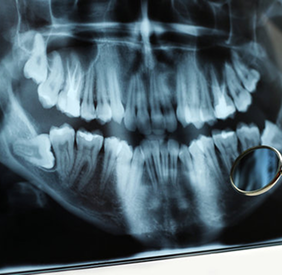
X-rays are taken to assess the extent of the infection. Local anesthesia is administered to numb the area.
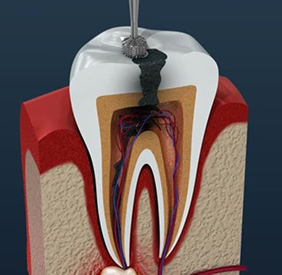
The dentist creates a small opening in the crown of the tooth to access the pulp chamber.
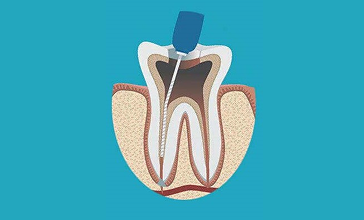
The infected or dead pulp is removed using specialized instruments. The canals are then cleaned, shaped, and disinfected.
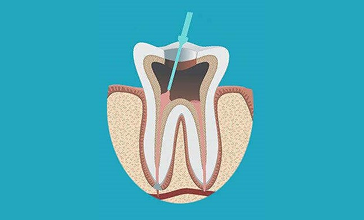
Once the canals are cleaned and dried, they are filled with a rubber-like material called gutta-percha to seal them and prevent future infection.
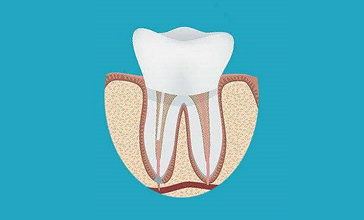
The access opening is sealed with a temporary or permanent filling. In most cases, a crown is placed on the tooth to restore its strength and appearance.
Saving the natural tooth is preferable to extraction, as it maintains the structure and function of the mouth.
Contrary to popular belief, root canal treatment relieves pain rather than causes it. Once the infected pulp is removed, the source of pain is eliminated.
Treating infection prevents its spread to adjacent teeth and other parts of the body.
With the placement of a crown, the tooth can be restored to look and function like a natural tooth.
Root canal treatment in Ahmedabad is a crucial dental procedure that saves millions of teeth each year. Despite the misconceptions and fears associated with it, RCT treatment is a safe, effective, and often painless way to treat infected or damaged teeth. By removing the infected pulp and sealing the canals, dentists can preserve the natural tooth, alleviate pain, and prevent further complications. With continued advancements in dental technology and anaesthesia, the root canal treatment has become a routine, reliable procedure that plays a vital role in maintaining oral health and overall well-being.

The Dental Wellness Centre is a true dental oasis! With a focus on Invisalign, dental implants, and digital dentistry, Dr. Vishal and Dr. Mable ensure each visit is a seamless and pleasant experience.

My experience with the painless root canal treatment at The Dental Wellness Centre was fantastic. The dentist was gentle and skilled, and I experienced minimal discomfort during and after the procedure. Highly recommend their expertise in endodontics!

The painless root canal treatment I received at The Dental Wellness Centre was a game-changer. The dentist was skilled and attentive, and I experienced minimal discomfort throughout the procedure. Thank you for the excellent care!

Dr. Vishal and Dr. Mabel are very knowledgeable and best orthodontist team in the town...very great experience..Thank you for my beautiful teeth... I haven’t stopped smiling since I had my braces removed. Thanks again.”

I recently had the privilege of undergoing dental treatment of tooth implantation at Dr. Mable's clinic, and I'm beyond impressed. Not only is Dr. Mable an exceptional dentist, but their clinic is also top-notch. The state-of-the-art facilities and the use of the latest dental technology were evident throughout my entire visit. From digital imaging for precise diagnostics to advanced equipment for the tooth implantation procedure, Dr. Mable's clinic truly embraces cutting-edge technology. I felt confident and well-cared for every step of the way. If you're seeking modern, high-quality dental care, Dr. Mable and their clinic are the perfect choice.

I completed my rct here and it's was almost painless treatment ..and the Doctors behavior ,work is excellent and appointment time always precise.. Thank you the dentalwellness centre and team...

The Dental Wellness Centre provided exceptional care during my dental implant journey. Dr. Mable's professionalism and the clinic's friendly atmosphere made each visit comfortable. Thrilled with the outcome!

I had an excellent experience at this dental clinic in Ahmedabad. Dr. Mable Patel and her team were professional, caring, and made sure my treatment was comfortable and painless. With her expertise, it’s clear why she’s considered one of the top 10 dentists in Ahmedabad. I highly recommend this clinic for anyone seeking trusted and advanced dental care in Ahmedabad.

My experience with dental implants exceeded expectations. Invisalign brilliance, coupled with Dr. Vishal and Dr. Mable's careful approach, resulted in exceptional results. The commitment to excellence is evident throughout.

TDWC's commitment to excellence shines through in their dental implant services. Invisalign treatments, along with the expertise of Dr. Vishal and Dr. Mable, make it a reliable choice for comprehensive dental care.

The Dental Wellness Centre is a true dental oasis! With a focus on Invisalign, dental implants, and digital dentistry, Dr. Vishal and Dr. Mable ensure each visit is a seamless and pleasant experience.
Best Results
Painless Treatment
Result in time