Mon To Sat 10:00 AM to 7:00 PM

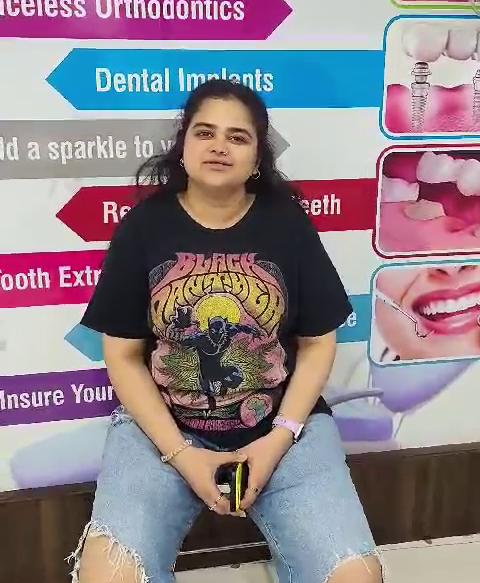
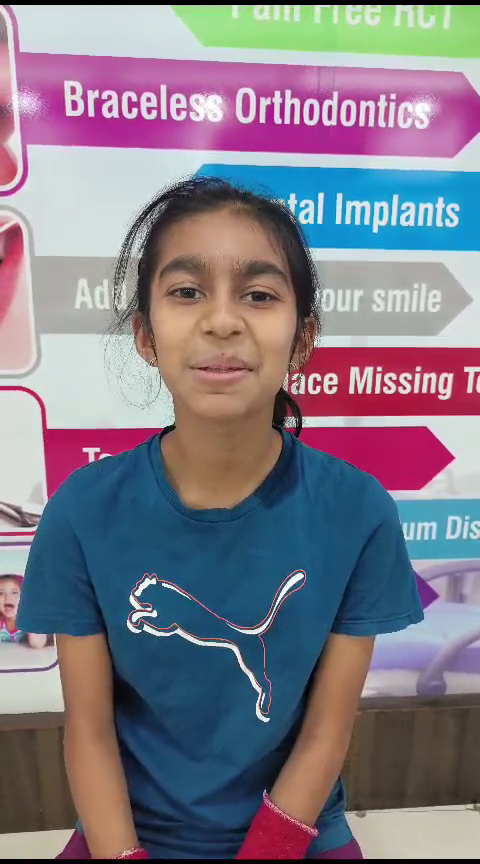
When we go to the office every day, we carry on a time-honored tradition of getting to know our clients.
Tooth extraction is a common dental procedure in which a tooth is removed from its socket in the bone. Though modern dentistry emphasizes the preservation of natural teeth, extraction is sometimes necessary due to various dental and health issues. This essay explores the reasons for tooth extraction, the procedure itself, possible complications, and the essential aftercare required for proper healing.
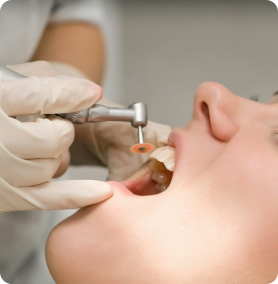
Tooth extraction can be classified into two categories: simple and surgical.
Dentists will often consider all alternatives before recommending extraction. Root canal therapy, crowns, or periodontal treatments may be effective in saving a tooth. However, when the damage or disease is too extensive, extraction is often the most practical solution.
the dentist or oral surgeon will take a thorough medical history, including any medications being taken and any conditions such as heart problems, diabetes, or immune system disorders. X-rays are often taken to assess the position of the tooth and surrounding bone.
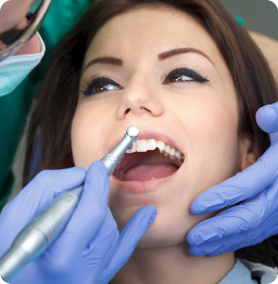
local anesthesia is administered to numb the area. In cases of surgical extraction, sedation may also be used. The dentist uses special instruments to gently loosen the tooth from the socket. If the tooth is difficult to remove, it may be broken into smaller pieces.

a blood clot forms in the socket. The dentist will usually pack the area with gauze and may use stitches to help close the wound and promote healing.
tooth extraction carries potential risks. These include excessive bleeding, infection, dry socket, and damage to surrounding teeth or tissues. In rare cases, patients may experience numbness or tingling if nearby nerves are affected, particularly with wisdom tooth extractions.
if bacteria enter the extraction site. Signs of infection include fever, increasing pain, swelling, or discharge from the wound. Prompt medical attention is necessary if any of these symptoms occur.
may also occur in individuals with certain medical conditions such as diabetes or in smokers. These patients require close monitoring and additional care.
Tooth extraction is a significant dental procedure that, while common, requires careful consideration, planning, and aftercare. Though the goal of dentistry is to preserve natural teeth whenever possible, extraction is sometimes necessary to protect overall oral health. Understanding the reasons, procedures, risks, and aftercare involved in tooth extraction can help patients make informed decisions and ensure a smooth recovery. With proper care, the outcome can be positive, and any lost function or aesthetics can be restored with modern dental treatments

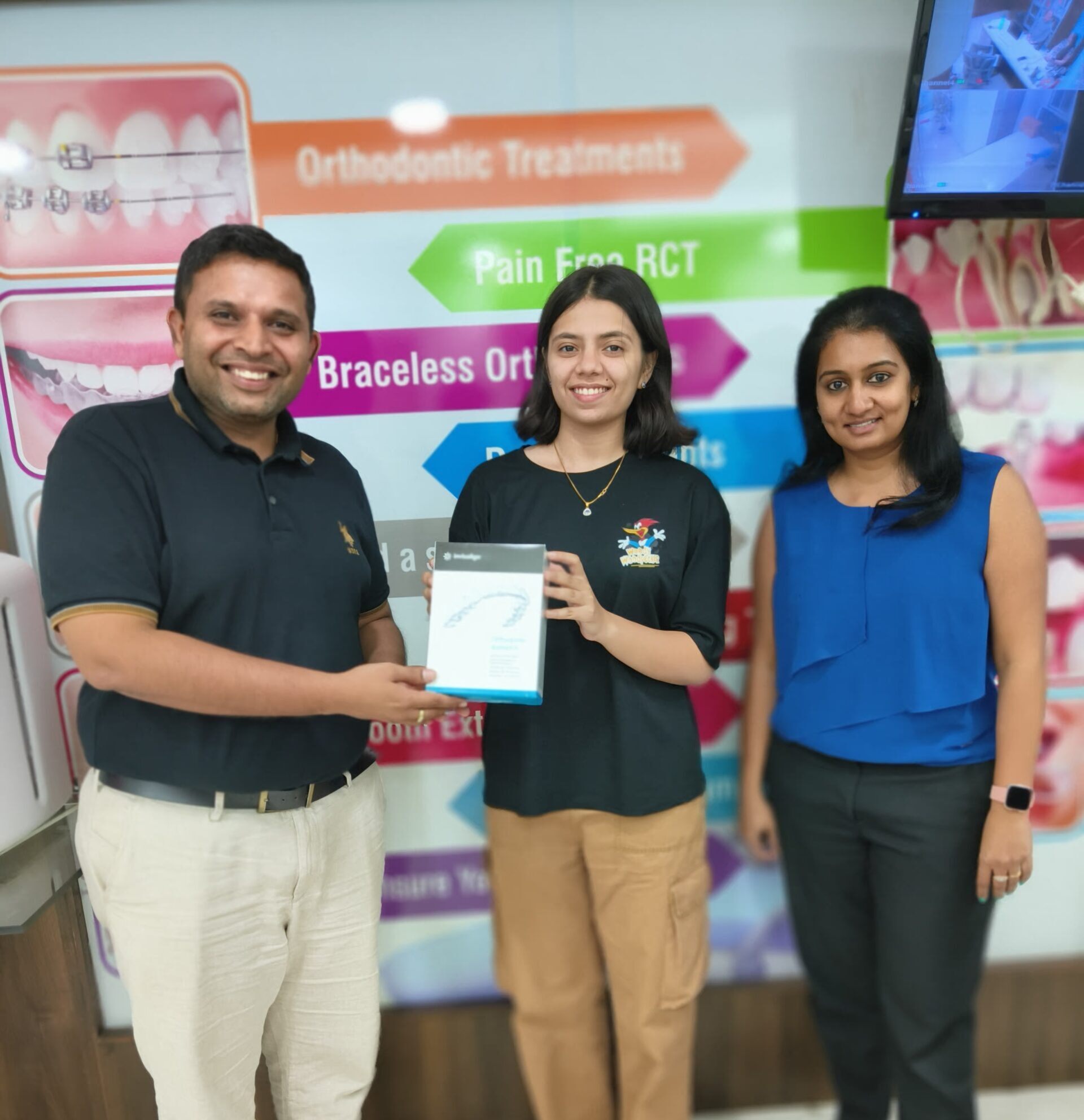
The Dental Wellness Centre is a true dental oasis! With a focus on Invisalign, dental implants, and digital dentistry, Dr. Vishal and Dr. Mable ensure each visit is a seamless and pleasant experience.

My experience with the painless root canal treatment at The Dental Wellness Centre was fantastic. The dentist was gentle and skilled, and I experienced minimal discomfort during and after the procedure. Highly recommend their expertise in endodontics!

The painless root canal treatment I received at The Dental Wellness Centre was a game-changer. The dentist was skilled and attentive, and I experienced minimal discomfort throughout the procedure. Thank you for the excellent care!

Dr. Vishal and Dr. Mabel are very knowledgeable and best orthodontist team in the town...very great experience..Thank you for my beautiful teeth... I haven’t stopped smiling since I had my braces removed. Thanks again.”

I recently had the privilege of undergoing dental treatment of tooth implantation at Dr. Mable's clinic, and I'm beyond impressed. Not only is Dr. Mable an exceptional dentist, but their clinic is also top-notch. The state-of-the-art facilities and the use of the latest dental technology were evident throughout my entire visit. From digital imaging for precise diagnostics to advanced equipment for the tooth implantation procedure, Dr. Mable's clinic truly embraces cutting-edge technology. I felt confident and well-cared for every step of the way. If you're seeking modern, high-quality dental care, Dr. Mable and their clinic are the perfect choice.

I completed my rct here and it's was almost painless treatment ..and the Doctors behavior ,work is excellent and appointment time always precise.. Thank you the dentalwellness centre and team...

The Dental Wellness Centre provided exceptional care during my dental implant journey. Dr. Mable's professionalism and the clinic's friendly atmosphere made each visit comfortable. Thrilled with the outcome!

I had an excellent experience at this dental clinic in Ahmedabad. Dr. Mable Patel and her team were professional, caring, and made sure my treatment was comfortable and painless. With her expertise, it’s clear why she’s considered one of the top 10 dentists in Ahmedabad. I highly recommend this clinic for anyone seeking trusted and advanced dental care in Ahmedabad.

My experience with dental implants exceeded expectations. Invisalign brilliance, coupled with Dr. Vishal and Dr. Mable's careful approach, resulted in exceptional results. The commitment to excellence is evident throughout.

TDWC's commitment to excellence shines through in their dental implant services. Invisalign treatments, along with the expertise of Dr. Vishal and Dr. Mable, make it a reliable choice for comprehensive dental care.

The Dental Wellness Centre is a true dental oasis! With a focus on Invisalign, dental implants, and digital dentistry, Dr. Vishal and Dr. Mable ensure each visit is a seamless and pleasant experience.
Best Results
Painless Treatment
Result in time