Mon To Sat 10:00 AM to 7:00 PM

When we go to the office every day, we carry on a time-honored tradition of getting to know our clients.
Socket preservation, also referred to as alveolar ridge preservation, is a crucial procedure in modern dentistry aimed at maintaining the shape and structure of the jawbone after a tooth extraction. This technique plays a vital role in restorative and cosmetic dental treatments, especially when planning for dental implants or dentures. Without socket preservation, the jawbone can deteriorate rapidly, leading to aesthetic concerns, functional issues, and complicated future treatments. This essay explores the importance, methods, benefits, and clinical applications of socket preservation in dental care.
When a tooth is extracted, the alveolar bone—the part of the jaw that holds the tooth in place—loses its primary function and begins to resorb or shrink. This process starts almost immediately after the tooth is removed. Studies have shown that up to 50% of bone width can be lost within the first year, with significant changes occurring in the first three to six months.
This bone loss not only affects the structural integrity of the jaw but also impacts:
Without intervention, the ridge collapse can compromise future dental procedures, making socket preservation a preventive measure that ensures long-term oral health and aesthetic results.
Socket preservation is a bone grafting procedure performed immediately after tooth extraction. Its primary goal is to:
The technique involves placing a grafting material into the empty socket to preserve the bone structure. This material encourages natural bone regeneration and may be covered with a membrane to protect it during healing.
Various bone grafting materials are available, and the choice depends on the patient’s needs, medical history, and the dentist’s preference. Common types include:
1. Autograft: Bone harvested from the patient (usually from the chin or hip).
2. Allograft: Bone sourced from a human donor (cadaver bone).
3. Xenograft: Bone derived from animals, commonly bovine (cow) sources.
4. Alloplast: Synthetic materials (e.g., hydroxyapatite, tricalcium phosphate).
Some procedures also use growth factors or platelet-rich fibrin (PRF) to stimulate faster healing and bone formation.
Socket preservation is recommended in several clinical scenarios:
It is not always necessary if immediate implant placement is possible or if no prosthetic replacement is planned. However, it remains a proactive approach for optimal outcomes.
As with any surgical procedure, socket preservation carries some risks, though they are generally minimal:
Careful case selection, sterile technique, and patient compliance with aftercare significantly reduce these risks.
Patients are advised to:
Follow-up appointments are essential to monitor healing and plan the next steps, such as implant placement or prosthetic restoration.
Recent advancements in biomaterials and tissue engineering are transforming socket preservation:
Digital planning and guided surgery are also being incorporated into socket preservation, improving precision and outcomes.
Socket preservation typically follows this sequence:
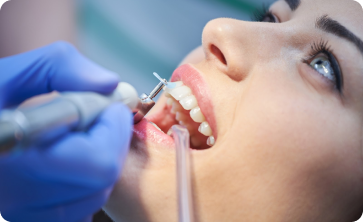
Performed carefully to minimize trauma to the surrounding bone and tissues.
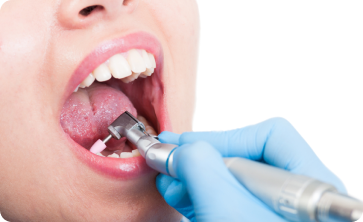
The socket is filled with the chosen grafting material.

A barrier membrane may be placed over the graft to protect it from infection and promote tissue integration.
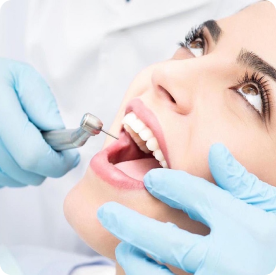
The area is sutured to secure the graft and membrane in place.
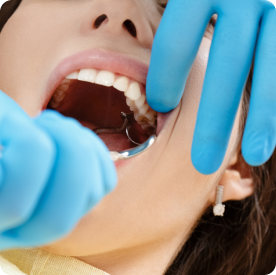
Over the next 3–6 months, the body replaces the graft with natural bone, preserving the shape and density of the ridge.
Maintains the alveolar ridge, which is essential for both function and aesthetics.
Provides a stable foundation for future implants, reducing the need for more extensive bone grafting later.
Maintains natural gum contours and facial symmetry.
For dentures or bridges, a preserved ridge improves retention and comfort.
By preserving the bone early, it may reduce the need for corrective surgeries down the line.
Socket preservation is a forward-thinking procedure that reflects the shift in dentistry from reactive treatment to proactive care. By maintaining the bone structure after tooth extraction, it creates a stable, healthy foundation for future restorations, enhances aesthetics, and preserves oral function. With proper planning, technique, and patient cooperation, socket preservation ensures that tooth loss does not lead to long-term bone deterioration, making it a valuable tool in modern dental practice.

The Dental Wellness Centre is a true dental oasis! With a focus on Invisalign, dental implants, and digital dentistry, Dr. Vishal and Dr. Mable ensure each visit is a seamless and pleasant experience.

My experience with the painless root canal treatment at The Dental Wellness Centre was fantastic. The dentist was gentle and skilled, and I experienced minimal discomfort during and after the procedure. Highly recommend their expertise in endodontics!

The painless root canal treatment I received at The Dental Wellness Centre was a game-changer. The dentist was skilled and attentive, and I experienced minimal discomfort throughout the procedure. Thank you for the excellent care!

Dr. Vishal and Dr. Mabel are very knowledgeable and best orthodontist team in the town...very great experience..Thank you for my beautiful teeth... I haven’t stopped smiling since I had my braces removed. Thanks again.”

I recently had the privilege of undergoing dental treatment of tooth implantation at Dr. Mable's clinic, and I'm beyond impressed. Not only is Dr. Mable an exceptional dentist, but their clinic is also top-notch. The state-of-the-art facilities and the use of the latest dental technology were evident throughout my entire visit. From digital imaging for precise diagnostics to advanced equipment for the tooth implantation procedure, Dr. Mable's clinic truly embraces cutting-edge technology. I felt confident and well-cared for every step of the way. If you're seeking modern, high-quality dental care, Dr. Mable and their clinic are the perfect choice.

I completed my rct here and it's was almost painless treatment ..and the Doctors behavior ,work is excellent and appointment time always precise.. Thank you the dentalwellness centre and team...

The Dental Wellness Centre provided exceptional care during my dental implant journey. Dr. Mable's professionalism and the clinic's friendly atmosphere made each visit comfortable. Thrilled with the outcome!

I had an excellent experience at this dental clinic in Ahmedabad. Dr. Mable Patel and her team were professional, caring, and made sure my treatment was comfortable and painless. With her expertise, it’s clear why she’s considered one of the top 10 dentists in Ahmedabad. I highly recommend this clinic for anyone seeking trusted and advanced dental care in Ahmedabad.

My experience with dental implants exceeded expectations. Invisalign brilliance, coupled with Dr. Vishal and Dr. Mable's careful approach, resulted in exceptional results. The commitment to excellence is evident throughout.

TDWC's commitment to excellence shines through in their dental implant services. Invisalign treatments, along with the expertise of Dr. Vishal and Dr. Mable, make it a reliable choice for comprehensive dental care.

The Dental Wellness Centre is a true dental oasis! With a focus on Invisalign, dental implants, and digital dentistry, Dr. Vishal and Dr. Mable ensure each visit is a seamless and pleasant experience.
Best Results
Painless Treatment
Result in time