Mon To Sat 10:00 AM to 7:00 PM

When we go to the office every day, we carry on a time-honored tradition of getting to know our clients.
Orthodontics has undergone a significant transformation in recent decades. Among the most groundbreaking innovations in the field is Invisalign, a modern alternative to traditional metal braces. Introduced in the late 1990s, Invisalign offers a discreet, comfortable, and convenient solution for straightening teeth. With its clear aligners, digital planning, and patient-centered design, Invisalign has revolutionized how people approach orthodontic treatment. This essay delves into the background, mechanism, benefits, limitations, and future of Invisalign orthodontics.
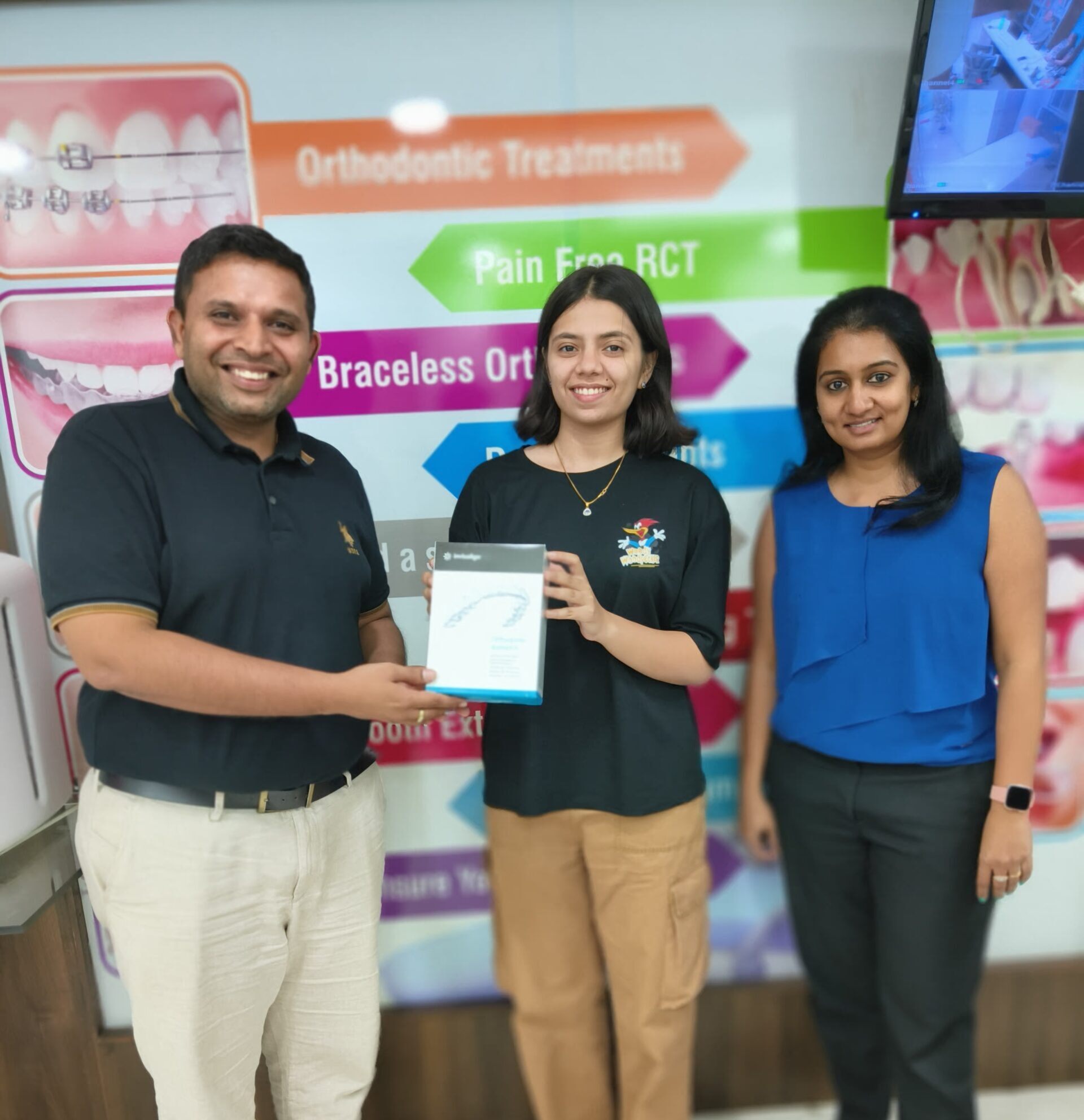
Invisalign is a system of custom-made, clear plastic aligners used to correct misaligned teeth and bite issues. Unlike traditional braces that use metal brackets and wires, Invisalign aligners are transparent, removable, and virtually invisible. They are designed using advanced 3D imaging technology and customized to fit snugly over a patient’s teeth.
Each aligner is worn for about one to two weeks, gradually shifting the teeth into the desired position. As the treatment progresses, patients switch to a new set of aligners until the final alignment is achieved.
Invisalign was created by Zia Chishti and Kelsey Wirth in 1997, blending orthodontic science with digital technology. The system gained FDA approval in 1998 and quickly gained popularity for its aesthetic and lifestyle benefits.
Initially, Invisalign was limited to treating mild cases of crowding or spacing. However, with technological advancements and improvements in material (such as SmartTrack), it can now address more complex issues, including overbites, underbites, crossbites, and open bites.
Originally limited in scope, Invisalign can now address a wide range of orthodontic issues, including:
However, extremely complex cases may still require traditional braces or a combination of orthodontic methods.
Despite its advantages, Invisalign is not without drawbacks:
The cost of Invisalign treatment typically ranges between Rs.1,50,000 to 3,00,000, depending on factors such as:
Some dental insurance plans cover a portion of the cost. Additionally, flexible payment options or financing plans are often available.
Neglecting hygiene can lead to staining, bad breath, and oral health problems.
Invisalign technology continues to evolve, making treatment faster, more effective, and more accessible. Recent advancements include:
As the field grows, Invisalign may become more widely adopted and capable of treating an even broader range of orthodontic cases.
The Invisalign process involves several key steps:
A trained orthodontist evaluates the patient’s dental condition to determine if Invisalign is a suitable treatment.
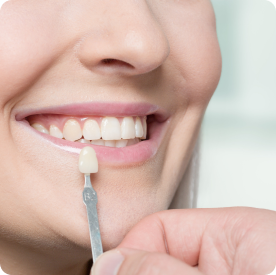
Using a 3D scanner (such as iTero), the dentist takes a digital impression of the patient’s teeth. This scan is used to create a detailed treatment plan using ClinCheck software.

Custom aligners are fabricated based on the treatment plan. Each set of aligners is slightly different to guide the teeth progressively into place.
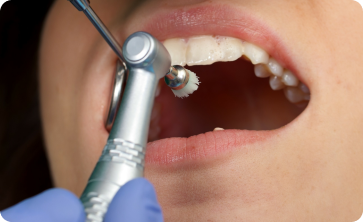
Patients wear aligners for 20–22 hours per day, removing them only for eating, drinking (except water), brushing, and flossing.
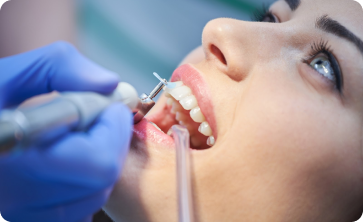
Follow-up appointments are scheduled every 6–8 weeks to monitor progress and provide new sets of aligners.
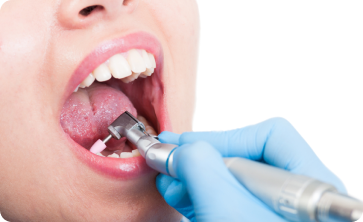
After completing treatment, patients wear a retainer to maintain their new tooth position and prevent relapse.
The clear, almost invisible appearance of Invisalign aligners makes them a popular choice among teens and adults who want to avoid the conspicuous look of metal braces.
Invisalign aligners are made of smooth plastic with no sharp edges, reducing the risk of cuts, sores, or discomfort often caused by wires and brackets.
Aligners can be removed during meals and oral hygiene routines. This allows patients to eat without restrictions and maintain proper dental hygiene throughout treatment.
With digital planning, patients can see a 3D simulation of their treatment outcome before they even start.
Unlike braces that require regular wire adjustments, Invisalign aligners simply need to be replaced every few weeks, leading to fewer in-office appointments.
Since aligners are removed while eating, patients can continue enjoying crunchy, sticky, or hard foods that are typically avoided with braces.
Invisalign has transformed orthodontic care, offering a clear, comfortable, and convenient alternative to traditional braces. With its blend of advanced technology and patient-friendly design, Invisalign caters to the modern desire for discreet and effective treatment. While it may not be suitable for every case, it provides an appealing solution for many seeking a straighter smile without the drawbacks of metal braces. As technology continues to evolve, Invisalign is likely to remain at the forefront of orthodontics, helping millions achieve healthier, more confident smiles one aligner at a time

The Dental Wellness Centre is a true dental oasis! With a focus on Invisalign, dental implants, and digital dentistry, Dr. Vishal and Dr. Mable ensure each visit is a seamless and pleasant experience.

My experience with the painless root canal treatment at The Dental Wellness Centre was fantastic. The dentist was gentle and skilled, and I experienced minimal discomfort during and after the procedure. Highly recommend their expertise in endodontics!

The painless root canal treatment I received at The Dental Wellness Centre was a game-changer. The dentist was skilled and attentive, and I experienced minimal discomfort throughout the procedure. Thank you for the excellent care!

Dr. Vishal and Dr. Mabel are very knowledgeable and best orthodontist team in the town...very great experience..Thank you for my beautiful teeth... I haven’t stopped smiling since I had my braces removed. Thanks again.”

I recently had the privilege of undergoing dental treatment of tooth implantation at Dr. Mable's clinic, and I'm beyond impressed. Not only is Dr. Mable an exceptional dentist, but their clinic is also top-notch. The state-of-the-art facilities and the use of the latest dental technology were evident throughout my entire visit. From digital imaging for precise diagnostics to advanced equipment for the tooth implantation procedure, Dr. Mable's clinic truly embraces cutting-edge technology. I felt confident and well-cared for every step of the way. If you're seeking modern, high-quality dental care, Dr. Mable and their clinic are the perfect choice.

I completed my rct here and it's was almost painless treatment ..and the Doctors behavior ,work is excellent and appointment time always precise.. Thank you the dentalwellness centre and team...

The Dental Wellness Centre provided exceptional care during my dental implant journey. Dr. Mable's professionalism and the clinic's friendly atmosphere made each visit comfortable. Thrilled with the outcome!

I had an excellent experience at this dental clinic in Ahmedabad. Dr. Mable Patel and her team were professional, caring, and made sure my treatment was comfortable and painless. With her expertise, it’s clear why she’s considered one of the top 10 dentists in Ahmedabad. I highly recommend this clinic for anyone seeking trusted and advanced dental care in Ahmedabad.

My experience with dental implants exceeded expectations. Invisalign brilliance, coupled with Dr. Vishal and Dr. Mable's careful approach, resulted in exceptional results. The commitment to excellence is evident throughout.

TDWC's commitment to excellence shines through in their dental implant services. Invisalign treatments, along with the expertise of Dr. Vishal and Dr. Mable, make it a reliable choice for comprehensive dental care.

The Dental Wellness Centre is a true dental oasis! With a focus on Invisalign, dental implants, and digital dentistry, Dr. Vishal and Dr. Mable ensure each visit is a seamless and pleasant experience.
Best Results
Painless Treatment
Result in time