Mon To Sat 10:00 AM to 7:00 PM

When we go to the office every day, we carry on a time-honored tradition of getting to know our clients.
Pediatric dentistry or Kids Dentistry focuses on the diagnosis, prevention, and treatment of dental issues in children, and one of the essential areas of focus in pediatric dentistry is the management of pulp-related diseases. Pulpotomy and pulpectomy are two key endodontic procedures commonly performed on primary (baby) teeth at The Dental Wellness Centre.
These procedures aim to save teeth that are affected by pulp damage or infection, thereby preserving function and preventing the need for more invasive treatments, such as extraction. While both procedures involve treatment of the pulp tissue, they differ in their scope, method, and indications.
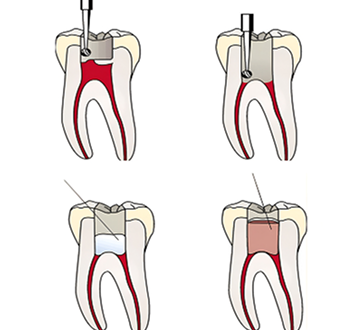
Before diving into pulpotomy and pulpectomy, it is essential to understand the role of the dental pulp. The pulp is the soft tissue located at the centre of a tooth, containing nerves, blood vessels, and connective tissue. The pulp plays a vital role in the overall health of the tooth, providing nutrients and moisture to the surrounding tissues. If the pulp becomes infected or inflamed, it can lead to severe pain, infection, and even tooth loss. In children, preserving the pulp of primary teeth is especially crucial to ensure proper development of the permanent teeth underneath.
Pulpotomy is a dental procedure used to treat primary teeth that have sustained damage or infection in the pulp, but where the infection has not reached the entire pulp. Essentially, a pulpotomy involves the removal of the infected or damaged portion of the pulp while preserving the healthy pulp tissue in the root canals. This procedure is typically performed when the infection is limited to the crown (the upper part) of the tooth and has not spread to the roots.
Pulpotomy is indicated when:
The pulpotomy procedure is relatively simple and can usually be performed in one visit. The steps involved include:
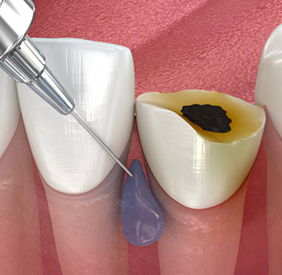
The procedure begins with the administration of a local anesthetic to numb the area surrounding the affected tooth.
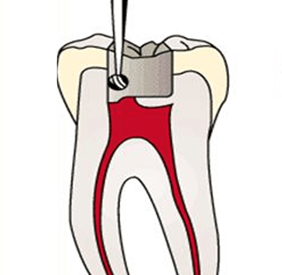
The dentist or pediatric specialist drills a small opening in the tooth to access the pulp chamber.
The pulpotomy procedure is relatively simple and can usually be performed in one visit. The steps involved include:
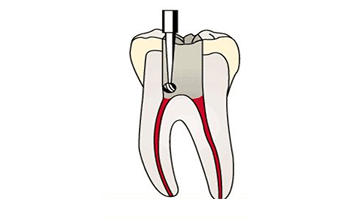
The infected portion of the pulp in the crown of the tooth is carefully removed using specialized instruments.
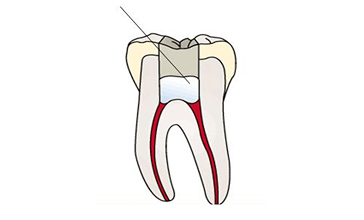
After the removal of the infected pulp, the remaining tissue is disinfected to reduce the risk of further infection.
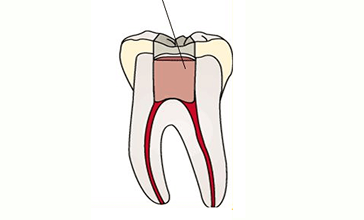
The tooth is then filled with a medicated material, such as a calcium hydroxide paste or formocresol, which encourages the healing of the remaining pulp tissue. The tooth is then sealed with a crown or filling.
The primary benefit of pulpotomy is the preservation of the natural tooth structure. By removing only the infected pulp and leaving the healthy tissue intact.
The tooth can continue to function properly, supporting normal chewing and maintaining space for the permanent tooth.
Additionally, pulpotomy helps reduce the need for more invasive treatments, such as tooth extraction.
Best Results
Painless Treatment
Result in time